Post Disclaimer
The information contained in this post is for general information purposes only. The information is provided by Brown Butter Cinnamon Rolls: Soft, Gooey, and Rich and while we endeavour to keep the information up to date and correct, we make no representations or warranties of any kind, express or implied, about the completeness, accuracy, reliability, suitability or availability with respect to the website or the information, products, services, or related graphics contained on the post for any purpose.
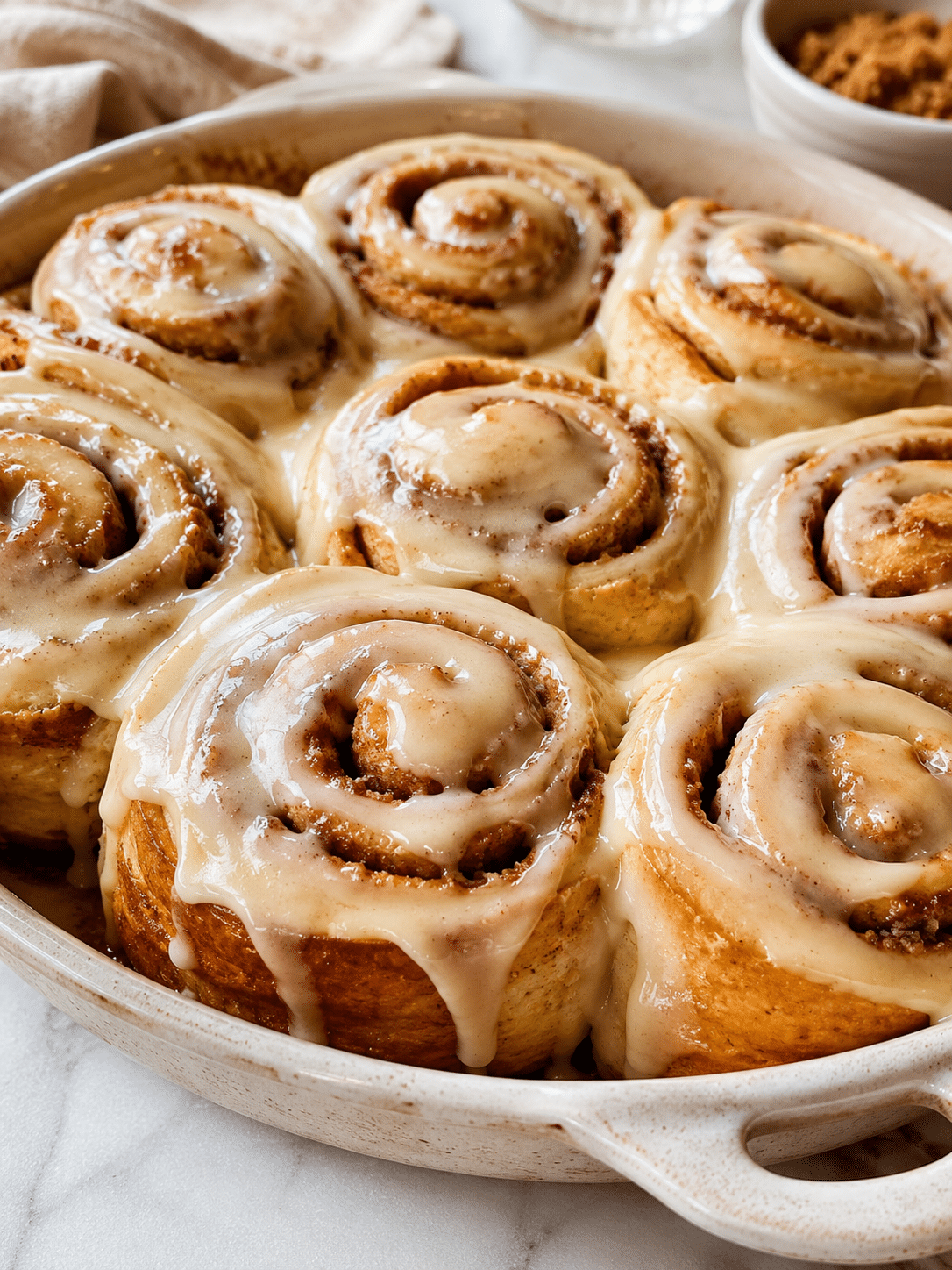
Brown Butter Cinnamon Rolls are soft homemade rolls filled with nutty browned butter, brown sugar, and cinnamon, then finished with a creamy brown butter glaze. Browning the butter adds toasted, caramel-like depth without making the recipe difficult, while a tender enriched dough keeps every spiral fluffy and moist.
Why Do Brown Butter Cinnamon Rolls Taste So Special?
The first time I browned butter for cinnamon rolls, I almost talked myself out of using it. The butter foamed, the milk solids sank, and suddenly the pale yellow color turned deep gold. Then the kitchen filled with the warm scent of toasted nuts and caramel. At that moment, I knew ordinary cinnamon rolls weren’t going back into the oven.
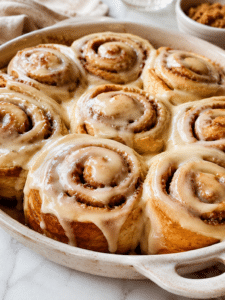
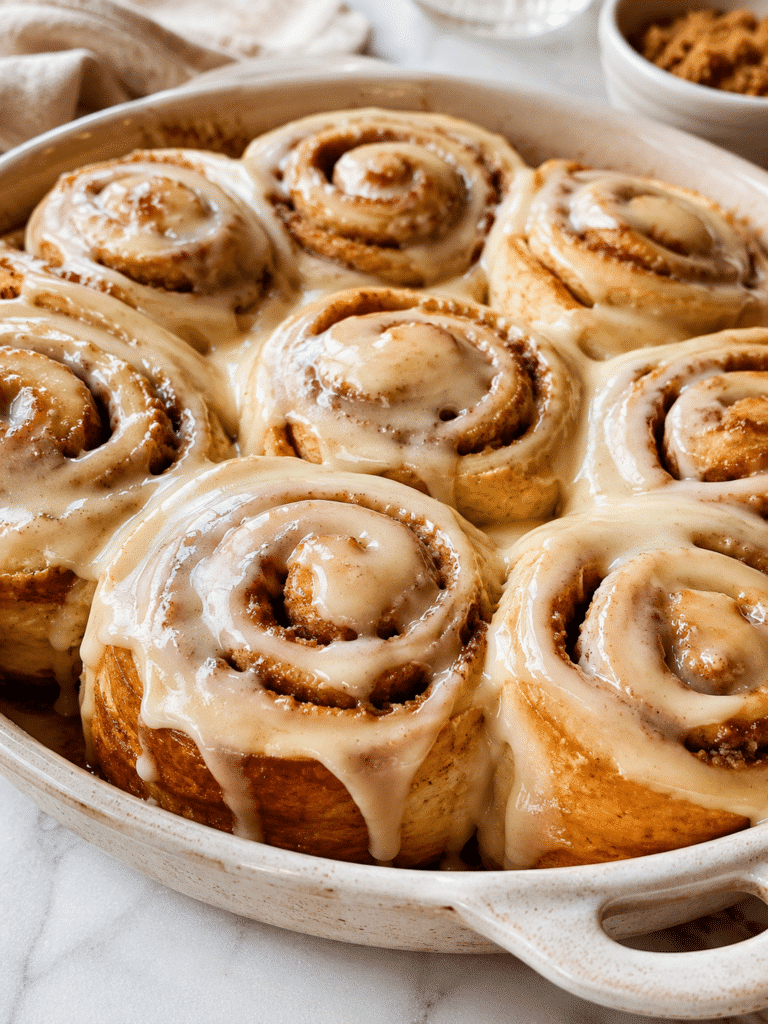
That browned butter went into the filling, where it mixed with cinnamon and dark brown sugar. A little more went into the frosting. When I pulled the pan from the oven, the rolls had tall, soft centers, crisp golden edges, and dark ribbons running through every coil. The flavor felt familiar, but it had far more depth than a standard cinnamon roll.
Brown Butter Cinnamon Rolls work because browning changes the flavor of butter without adding complicated ingredients. As the butter cooks, its milk solids toast. Those browned bits carry the strongest flavor, so you’ll want to scrape every one of them from the pan. They give the dough, filling, and glaze a warm, almost hazelnut-like taste.
In my kitchen, I’ve found that the biggest mistake is rushing the browning process. High heat can take the butter from golden to scorched in seconds. Medium heat gives you enough control to watch the color change and smell the difference. Once the butter smells nutty and the specks at the bottom look amber, it’s ready.
These Brown Butter Cinnamon Rolls also stay soft because the dough contains milk, eggs, and enough butter to keep the crumb tender. The dough should feel slightly tacky rather than dry. Adding too much flour may make it easier to handle at first, but the baked rolls can turn dense.
The filling brings everything together. Dark brown sugar melts into the browned butter, while cinnamon gives the rolls their classic bakery aroma. A spoonful of flour in the filling helps keep it from leaking out of the spirals. It’s a small trick, but after making this recipe dozens of times, I’ve found it makes the finished pan much neater.
One reader, Danielle, told me, “The browned butter made these taste like they came from a pastry shop, but the steps were easy enough for a Sunday morning.” Another reader, Mark, said the centers stayed soft even after reheating the rolls the next day.
If cinnamon is the flavor that pulls you toward this recipe, you may also love my cinnamon roll pancakes recipe. It brings the same warm swirl and sweet glaze to the breakfast table without waiting for yeast dough to rise.
Brown Butter Cinnamon Rolls make a lovely weekend breakfast, holiday brunch, or make-ahead treat. They’re rich, but not heavy. They’re sweet, but the toasted butter keeps the flavor balanced. Most importantly, they’re the kind of bake that makes the whole kitchen smell welcoming before anyone takes the first bite.
Table of Contents
Key Takeaways
- Brown the butter over medium heat and remove it as soon as the milk solids turn amber.
- Keep every browned speck because those toasted bits carry most of the nutty flavor.
- Use a slightly tacky dough for softer Brown Butter Cinnamon Rolls.
- Add a little flour to the cinnamon filling to reduce leaking.
- Let the rolls rise until puffy rather than watching the clock alone.
- Spread the glaze over warm, not piping-hot, rolls.
- Prepare the rolls the night before for an easier morning bake.
What Ingredients Make Brown Butter Cinnamon Rolls Soft and Flavorful?
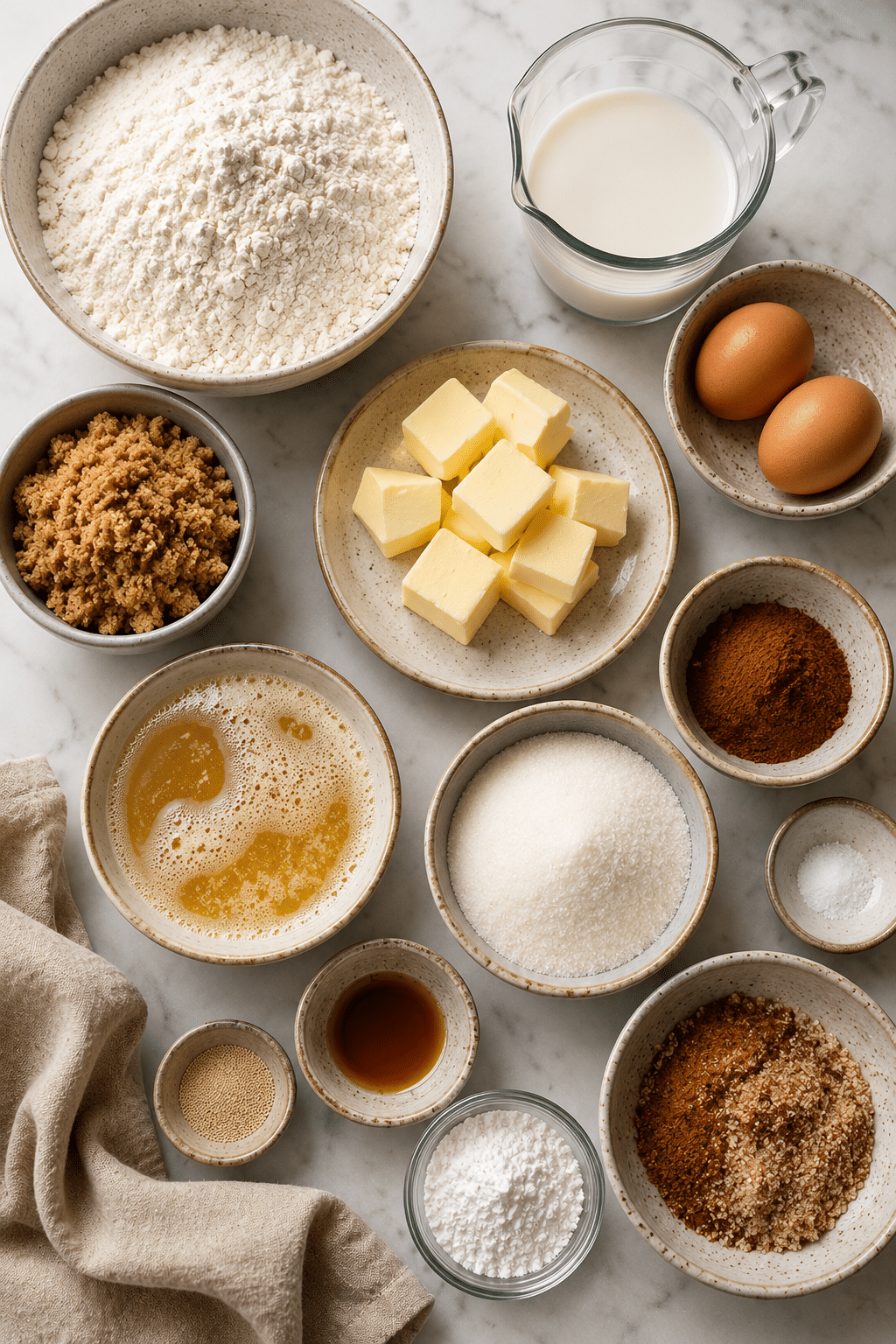
Brown Butter Cinnamon Rolls need a tender yeast dough, a thick cinnamon filling, and a smooth glaze. Whole milk, eggs, butter, and bread flour build a soft structure, while browned butter adds toasted flavor to the filling and frosting. Dark brown sugar keeps the spirals moist and caramel-like.
Which Ingredients Do You Need?
The ingredient list looks familiar, but the way the ingredients work together makes these Brown Butter Cinnamon Rolls stand apart. Whole milk hydrates the flour and gives the dough a softer crumb than water alone. The milk should feel warm, not hot. A temperature around 105°F to 110°F is comfortable for active dry yeast.
Eggs bring richness and help the rolls rise with a fine, tender texture. Use large eggs at room temperature so they blend into the dough easily. Cold eggs can cool the milk mixture and slow the first rise.
Bread flour gives Brown Butter Cinnamon Rolls enough strength to rise high while holding all the filling. All-purpose flour can work, though the rolls may spread a little more and feel slightly less chewy. Measure flour by weight when possible. Scooping directly from the bag can pack too much into the cup.
The filling uses dark brown sugar for a deeper molasses note. Light brown sugar works too, but the flavor won’t feel quite as bold. Ground cinnamon should smell strong when you open the jar. Older cinnamon often tastes flat, even when the amount looks generous.
Salt matters in both the dough and filling. It keeps the sweetness from becoming one-dimensional and sharpens the flavor of the browned butter. Vanilla adds a warm bakery note to the glaze.
These Brown Butter Cinnamon Rolls pair beautifully with a second brunch dish. For a soft, fruit-filled option, my apple yogurt pancakes bring gentle apple flavor and a light tang that fits the same cozy table.
| Component | Ingredients |
|---|---|
| Dough | Whole milk, active dry yeast, granulated sugar, eggs, browned butter, bread flour, salt |
| Filling | Browned butter, dark brown sugar, cinnamon, flour, salt |
| Glaze | Cream cheese, browned butter, powdered sugar, vanilla, milk, salt |
How Do You Brown Butter Without Burning It?
Place unsalted butter in a light-colored saucepan. A pale pan makes it easier to see the milk solids changing color. Melt the butter over medium heat, stirring or swirling often. It will melt, foam, and then bubble more quietly as water cooks away.
Watch the bottom of the pan closely. Tiny pale flecks will begin turning tan, then amber. The aroma will shift from plain melted butter to something that smells like toasted hazelnuts and caramel. Remove the pan from the heat immediately. The hot pan will continue cooking the butter for a few moments.
Pour the browned butter into a heat-safe bowl right away. Scrape in all the browned milk solids. Leaving them behind would remove much of the flavor that makes Brown Butter Cinnamon Rolls taste so rich.
Divide the browned butter while it’s still liquid. You’ll use part in the dough, part in the filling, and part in the glaze. Let the portion for the dough cool until warm. Hot butter could weaken the yeast or partially cook the eggs.
If black specks appear or the butter smells bitter, begin again. Burnt butter won’t mellow after baking. It can give the entire pan an unpleasant edge.
The browning process connects to the same toasted flavor found in other pastries. According to the overview of a cinnamon roll on Wikipedia, this style of sweet roll typically centers on a yeast dough filled with cinnamon and sugar. Browned butter keeps that classic identity while adding a deeper roasted note.
For another cinnamon-forward bake with striking swirls, try my apple cinnamon babka bread recipe. Its braided shape makes it especially pretty for a holiday table.
Brown Butter Cinnamon Rolls
Ingredients
Equipment
Method
- Brown the butter in a light-colored saucepan over medium heat until the milk solids turn amber and smell nutty. Transfer to a bowl with all browned bits, divide into portions for the dough, filling, and frosting, and let cool.
- Combine the warm milk with 1 tablespoon sugar, sprinkle the yeast over the top, and let stand for 5 to 10 minutes until foamy.
- Add the remaining sugar, eggs, and browned butter. Mix in the flour and salt, then knead for 8 to 10 minutes until smooth and slightly tacky, adding extra flour only if needed.
- Place the dough in a greased bowl, cover, and let rise in a warm place for 60 to 90 minutes until doubled.
- Mix the softened browned butter with the dark brown sugar, cinnamon, flour, and salt until thick and spreadable.
- Roll the dough into an 18-by-12-inch rectangle, spread the filling evenly over the surface, then roll tightly into a log and seal the seam.
- Cut the log into 12 equal rolls and arrange them in a greased 9-by-13-inch baking dish.
- Cover loosely and let the rolls rise for 30 to 45 minutes until puffy and lightly touching.
- Preheat the oven to 350°F and bake for 24 to 30 minutes until lightly golden and the centers reach about 190°F. Cool in the pan for 10 to 15 minutes.
- Beat the cream cheese and browned butter until smooth. Mix in the powdered sugar, vanilla, salt, and enough milk to reach the desired consistency.
- Spread half the frosting over the warm rolls, let cool for 5 to 10 minutes, then spread the remaining frosting over the top and serve warm.
Notes
How Do You Make the Dough for Brown Butter Cinnamon Rolls?
The best dough for Brown Butter Cinnamon Rolls should feel smooth, elastic, and slightly tacky. Mix warm milk with yeast, sugar, eggs, cooled browned butter, flour, and salt. Knead until the dough stretches without tearing, then let it rise until doubled and visibly airy.
How Should You Mix and Knead the Dough?
Begin by warming the milk. Stir in a spoonful of the sugar and sprinkle the yeast over the surface. After five to ten minutes, the mixture should look creamy or lightly foamy. Some instant yeasts show less foam, but active dry yeast should usually show visible activity.
Add the eggs and cooled browned butter. The butter may have thickened slightly, which is fine, but it shouldn’t be hot. Stir until the wet mixture looks mostly even.
Add the flour and salt gradually. A stand mixer fitted with a dough hook makes the process simple, though you can knead by hand. Start on low speed so flour doesn’t scatter across the counter. Once a rough dough forms, knead on medium-low speed for eight to ten minutes.
Brown Butter Cinnamon Rolls need enough kneading to create structure. The dough should pull away from the sides of the bowl while clinging slightly to the bottom. When you press it, it should feel soft and springy. A small piece should stretch into a thin membrane before tearing.
Don’t add flour simply because the dough sticks to your fingers. Enriched dough often feels tacky at first. Give the flour time to absorb the liquid before adding more. If the dough remains wet and shapeless after several minutes of kneading, add flour one tablespoon at a time.
Hand kneading takes about ten to twelve minutes. Use a push, fold, and turn motion. A bench scraper helps lift sticky dough without adding extra flour.
When I serve Brown Butter Cinnamon Rolls at brunch, I like adding a lighter make-ahead dish beside them. My tiramisu chia pudding with Greek yogurt adds coffee flavor and a cool, creamy texture that contrasts with warm rolls.
How Long Should the First Rise Take?
Transfer the kneaded dough to a lightly greased bowl. Turn it once so the surface has a thin coating of oil or butter. Cover the bowl and place it in a warm, draft-free spot.
The first rise usually takes sixty to ninety minutes, but room temperature matters more than the clock. On a cool day, Brown Butter Cinnamon Rolls may need close to two hours. In a warm kitchen, the dough may double much sooner.
Look for visible signs. The dough should roughly double in size, feel airy, and hold a shallow indentation when pressed gently with a fingertip. If it springs back immediately, it may need more time. If it collapses, it may have risen too long.
A turned-off oven with the light on can create a comfortable rising place. Don’t use an oven that feels hot. Excessive heat can make the butter leak from the dough and can cause the yeast to work too quickly.
You can also let the dough rise slowly in a cooler room. A slower rise often creates more flavor. The browned butter already gives these rolls depth, so you don’t need an extra-long fermentation, but there’s no need to rush.
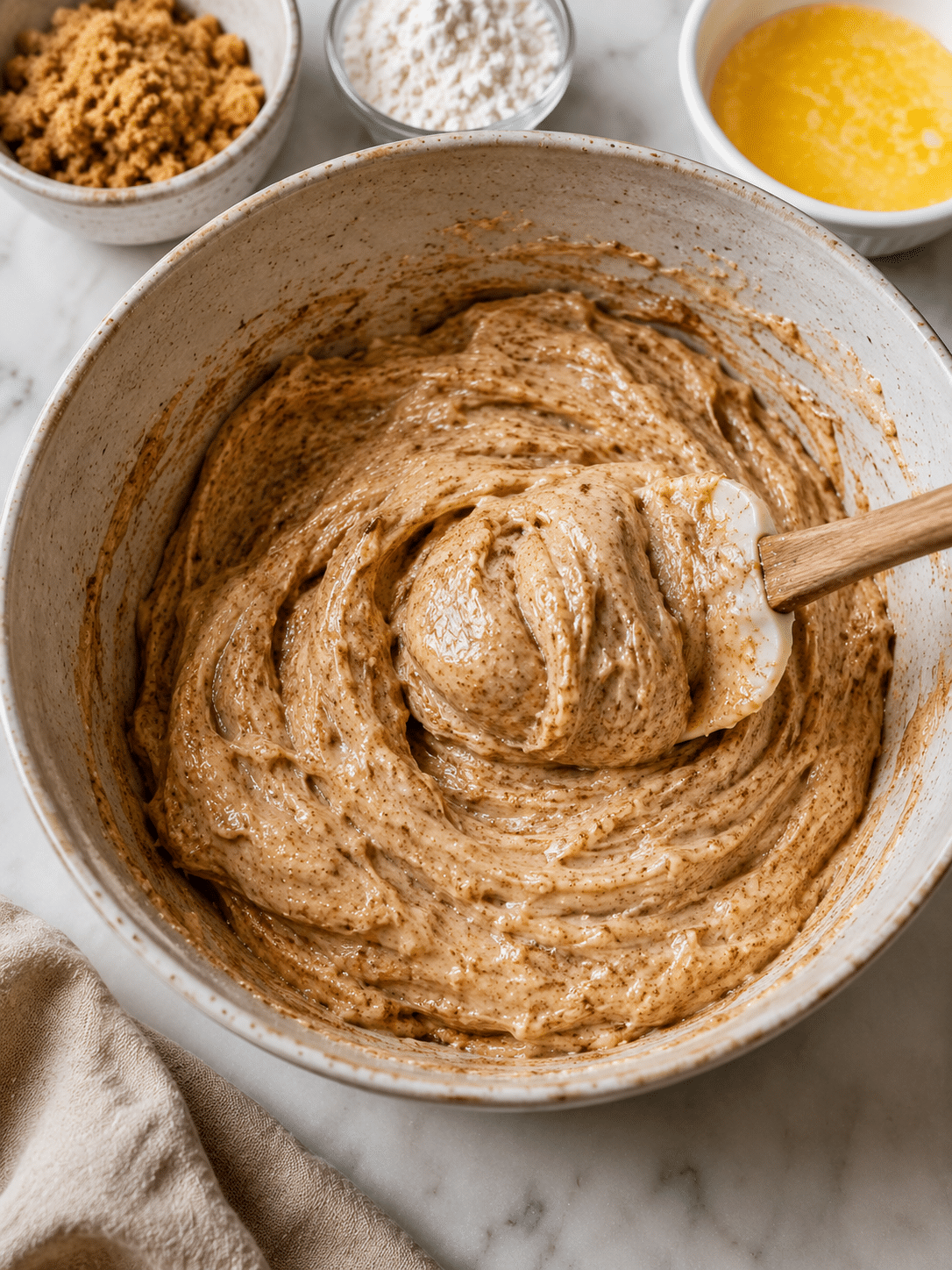
While the dough rises, prepare the filling. Mix softened browned butter with dark brown sugar, cinnamon, flour, and a pinch of salt. The mixture should spread easily without running. If it feels too loose, chill it for five to ten minutes.
For a brunch with both sweet and savory choices, my eggs Benedict casserole can bake alongside the Brown Butter Cinnamon Rolls. The savory eggs and creamy sauce balance the sweet cinnamon spirals.
How Do You Fill and Shape Brown Butter Cinnamon Rolls?
Roll the dough into an even rectangle, spread the brown butter filling from edge to edge, and roll it tightly from the long side. Cut the log into equal pieces with unflavored dental floss or a sharp knife, then place them in a buttered baking dish.
How Do You Keep the Filling Inside?
Lightly flour the work surface and turn out the risen dough. Press it gently into a rough rectangle before using the rolling pin. This helps maintain an even shape and reduces unnecessary rolling.
Roll the dough to roughly 18 by 12 inches. The exact dimensions can vary, but aim for even thickness. If one section is much thinner, it may bake faster and lose more filling.
Spread the prepared filling across the dough, leaving only a narrow border along one long edge. A small offset spatula works well. Take the filling all the way to the side edges so the end rolls have as much cinnamon flavor as the center ones.
The spoonful of flour in the filling absorbs some melted butter and sugar during baking. It helps the mixture stay within the spirals rather than pooling in the bottom of the dish. Don’t add too much, or the filling can taste dry.
Roll the dough from the long edge into a snug log. Tight rolling creates clear spirals, but pulling too firmly can stretch the dough and make the centers rise unevenly. Pinch the final seam closed and place the log seam-side down.
Use unflavored dental floss for clean cuts. Slide the floss under the log, cross the ends over the top, and pull. A serrated knife also works, though pressing down can flatten the rounds.
Cut twelve Brown Butter Cinnamon Rolls for a 9-by-13-inch pan. For larger bakery-style rolls, cut nine and place them in a square pan with enough room to rise.
The sweet spice in these rolls also goes beautifully with my Spanish churro pancakes. Both recipes bring cinnamon-sugar flavor, though the pancakes give you crisp edges while the rolls stay pillowy.
What Is the Best Way to Arrange the Rolls?
Grease the baking dish generously. Place the cut Brown Butter Cinnamon Rolls with their spiral sides facing up. Leave a little space between each one so they have room to expand during the second rise.
Cover the dish loosely and let the rolls rise until puffy, usually thirty to forty-five minutes. They should begin touching, but they shouldn’t look fragile or overinflated. Press the side of one roll gently. The indentation should return slowly.
For extra-soft centers, pour two to four tablespoons of warm heavy cream over the rolls just before baking. This step is optional. It creates a rich, sticky base, though it can soften the outer edges. I use it when I want very gooey Brown Butter Cinnamon Rolls and skip it when I prefer more defined spirals.
At this point, you can bake the rolls right away or chill them overnight. For overnight rolls, cover the shaped pan tightly and refrigerate it before the second rise finishes. The next morning, take the pan from the refrigerator and let the rolls sit at room temperature until puffy.
Cold rolls may need sixty to ninety minutes before baking. Don’t put a chilled glass dish directly into a hot oven because sudden temperature changes may crack the glass.
A make-ahead breakfast spread can include my overnight blueberry pancake casserole. It rests in the refrigerator just like overnight Brown Butter Cinnamon Rolls, so morning preparation stays manageable.
Check that the filling hasn’t collected heavily at the bottom before baking. A small amount of leakage is normal and creates caramelized edges. Large pools usually mean the butter was too warm or the rolls didn’t rise long enough before entering the oven.
How Do You Bake Brown Butter Cinnamon Rolls Evenly?
Bake Brown Butter Cinnamon Rolls at 350°F until the tops turn lightly golden and the center rolls reach about 190°F. Most pans need twenty-four to thirty minutes. Cover the top loosely with foil if the edges brown before the middle finishes baking.
What Temperature and Baking Time Work Best?
Preheat the oven fully before the rolls go inside. An oven thermometer can help because many home ovens run hotter or cooler than the displayed temperature.
Place the pan on the center rack. Bake Brown Butter Cinnamon Rolls at 350°F for about twenty-four to thirty minutes. Ceramic dishes may take a little longer than metal pans. Dark metal can brown the bottom more quickly.
Look for pale golden tops and set centers. The middle roll should no longer look wet where the spiral opens. An instant-read thermometer inserted into the dough, not the filling, should show about 190°F.
Don’t bake until every surface turns deep brown. Enriched dough continues cooking briefly after leaving the oven, and overbaking can dry the rolls. If the tops color too fast, place a loose sheet of foil over the pan for the final ten minutes.
The USDA food-safety guidance recommends keeping food preparation areas, hands, and tools clean. That simple habit matters when you’re handling eggs, dairy, dough, and frosting in the same kitchen.
Let the baked Brown Butter Cinnamon Rolls rest for ten to fifteen minutes before glazing. The filling will be extremely hot straight from the oven. A brief rest also helps the structure settle so the rolls lift from the pan more neatly.
For a lighter side dish, my lemon chia seed pudding brings fresh citrus flavor to a rich brunch. Prepare it the night before and serve it chilled beside the warm pan.
How Can You Tell When the Center Is Done?
The center of the pan always takes the longest to bake. Outer Brown Butter Cinnamon Rolls can look ready while the middle still contains underbaked dough. Color alone won’t tell the full story.
Gently pull apart the edge of a center spiral with a fork. The dough should look fluffy and set, not shiny or pasty. If it appears wet, return the pan to the oven for three to five minutes.
Temperature gives the clearest answer. Insert the thermometer at an angle into the thickest part of a center roll. Avoid the cinnamon layer because melted sugar can give a misleading reading.
If you don’t have a thermometer, look for three signs together: lightly browned tops, firm edges, and a center that springs back when pressed softly. The rolls should smell deeply buttery and spiced.
Underbaked rolls may sink as they cool. Overbaked rolls hold their shape but lose the soft texture that makes Brown Butter Cinnamon Rolls so appealing. It’s better to check early and add a few minutes than to set a long baking time and forget the pan.
Once baked, place the pan on a cooling rack. Air circulation under the dish helps prevent the bottom from becoming overly steamy.
For fall brunches, pair the rolls with pumpkin spice overnight oats. The oats bring pumpkin and warm spice without competing with the browned butter.
A glass pan keeps the rolls warm longer, while metal cools more quickly. That difference affects glazing. In a glass dish, wait closer to fifteen minutes. In metal, ten minutes may be enough.
What Frosting and Serving Method Work Best?
Brown butter cream cheese frosting gives Brown Butter Cinnamon Rolls a tangy, nutty finish. Beat softened cream cheese with cooled browned butter, powdered sugar, vanilla, milk, and salt. Spread it over warm rolls so part of the glaze melts into the spirals while the rest stays creamy.
How Do You Make Brown Butter Cream Cheese Frosting?
The browned butter for the frosting must cool before mixing. Warm butter can melt the cream cheese and create a thin glaze. Let it reach room temperature until it looks opaque but remains soft.
Beat the cream cheese until smooth. Add the browned butter and beat again, scraping the bowl so no plain cream cheese remains at the bottom. Mix in powdered sugar gradually to avoid a cloud of sugar.
Add vanilla, a pinch of salt, and enough milk to reach the texture you like. For thick frosting, use one tablespoon. For a softer glaze that drips between the spirals, use two or three tablespoons.
Taste before adding more sugar. Brown Butter Cinnamon Rolls already contain a sweet filling, so the frosting should bring tang and butter flavor rather than pure sweetness.
Spread half the frosting over the warm rolls. It will melt slightly and sink into the top layers. Add the remaining frosting after the rolls cool for another ten minutes. This two-stage method creates both a glossy glaze and creamy swirls.
You can replace the cream cheese with mascarpone for a softer, milder frosting. A simple powdered sugar glaze also works, but it won’t have the same balance.
Serve the Brown Butter Cinnamon Rolls warm. Pull them apart gently or lift each one with a thin spatula. Spoon any caramelized filling from the bottom of the pan over the top.
For another tender breakfast with dramatic height, my fluffy Japanese soufflé pancakes make a fun choice for a special morning.
How Should You Store and Reheat the Rolls?
Store frosted Brown Butter Cinnamon Rolls in an airtight container in the refrigerator for up to four days because the glaze contains cream cheese. Unfrosted rolls can remain covered at room temperature for one day.
For the softest texture, reheat one roll in the microwave for fifteen to twenty seconds. Place a damp paper towel loosely over it to reduce drying. Larger portions can go into a 300°F oven, covered with foil, for ten to fifteen minutes.
Don’t reheat the entire pan repeatedly. Warm only the amount you plan to eat. Repeated heating dries the dough and can make the frosting separate.
Brown Butter Cinnamon Rolls also freeze well. Freeze unfrosted rolls in an airtight container for up to two months. Thaw them overnight in the refrigerator, warm them gently, and add fresh frosting before serving.
You can freeze individual frosted rolls, but cream cheese frosting sometimes changes texture after thawing. It will still taste good, though it may look less smooth.
For a quick snack beside leftover rolls, try my no-bake peanut butter oatmeal bars. They need no oven time and keep well in the refrigerator.
Some bakers search for “Brown butter cinnamon rolls Half Baked Harvest,” “Brown butter cinnamon rolls Chelsweets,” “Brown butter cinnamon rolls Sally’s Baking Addiction,” or “Brown butter cinnamon rolls Cambrea Bakes” while comparing methods. Others look on Brown butter cinnamon rolls Reddit threads for personal tips. Recipes differ in dough hydration, frosting, and rising schedules, but the core signs remain the same: properly browned butter, elastic dough, a full rise, and careful baking.
You may also see triple Brown Butter Cinnamon Rolls, which use browned butter in the dough, filling, and frosting. This recipe follows that idea for flavor in every layer.
Frequently Asked Questions
Can I Make Brown Butter Cinnamon Rolls the Night Before?
Yes. Prepare and shape the Brown Butter Cinnamon Rolls, place them in the greased baking dish, and cover the dish tightly before the second rise is complete. Refrigerate the rolls for eight to twelve hours. The next morning, let them stand at room temperature until visibly puffy, usually sixty to ninety minutes. Bake them at 350°F as directed. Very cold dough may need a few extra minutes in the oven. Prepare the frosting the night before and refrigerate it separately, then let it soften while the rolls bake. Overnight preparation gives the dough a little more flavor and makes holiday or weekend mornings much easier.
Can I Use a Tangzhong for Brown Butter Cinnamon Rolls?
Yes. Brown Butter Cinnamon Rolls tangzhong-style can stay soft for several days. To make tangzhong, cook a small portion of the recipe’s flour with milk until it forms a thick paste, then cool it before adding it to the dough. A common starting point is about 3 tablespoons of flour cooked with ½ cup of the recipe’s milk. You must subtract both amounts from the main dough ingredients. Tangzhong holds extra moisture inside the bread, creating a fluffy, slightly stretchy crumb. The dough may feel softer during kneading, so resist adding too much flour. This recipe works without tangzhong, but the method is useful when longer-lasting softness matters.
Why Did My Cinnamon Roll Filling Leak Out?
A little filling leakage is normal because butter and sugar melt in the oven. Heavy leaking usually happens when the filling is too warm, the dough is rolled too loosely, or the rolls enter the oven before completing their second rise. Mix a spoonful of flour into the filling and let browned butter cool until spreadable rather than liquid. Roll the log snugly without stretching the dough. Place the cut Brown Butter Cinnamon Rolls close enough to support one another as they rise. A properly preheated oven also helps the dough set before too much filling escapes. Any small amount that collects in the pan will create delicious caramelized edges.
Can I Add Fruit Such as Red Currants?
Yes. Brown Butter Cinnamon Rolls red currant variations bring tart flavor that cuts through the sweet filling. Use fresh or frozen currants sparingly because too much fruit can release enough moisture to make the centers soggy. Sprinkle about ½ to ¾ cup of currants over the cinnamon filling before rolling. Don’t thaw frozen currants first. You can also cook the fruit briefly with a little sugar and cornstarch, cool the mixture completely, and spread a thin layer over the filling. Keep the fruit away from the final sealing edge. Red currants taste especially good with a plain vanilla glaze or lightly sweetened cream cheese frosting.
Why Should You Bake These Brown Butter Cinnamon Rolls?
Brown Butter Cinnamon Rolls take a familiar breakfast bake and give it more warmth, depth, and character. The toasted milk solids in the butter bring a nutty flavor to every layer, while the soft dough keeps the rolls tender enough to pull apart with a fork.
The recipe also gives you flexibility. Bake the rolls the same day for a relaxed weekend project, or shape them the night before for an easier morning. Add tangzhong when you want longer-lasting softness, scatter in red currants for tartness, or keep the filling classic with brown sugar and cinnamon.
In my kitchen, the most satisfying moment comes when the first roll lifts from the pan and the spiral stays intact. The center looks soft, the cinnamon filling glistens, and a little brown butter frosting runs down the side. It feels like a bakery treat, yet every step happened at home.
Pay attention to the dough rather than the clock. Let the butter turn amber, let the dough become elastic, and let the shaped rolls grow puffy before baking. Those visual cues matter more than rigid timing.
Serve Brown Butter Cinnamon Rolls warm with coffee, tea, fruit, or a savory casserole. Save leftovers for the next morning, when a few seconds of gentle reheating will bring back the soft texture and toasted aroma.
Try the recipe for your next brunch or quiet weekend morning. Once you taste browned butter in the dough, filling, and frosting, plain cinnamon rolls may never feel quite the same.