Post Disclaimer
The information contained in this post is for general information purposes only. The information is provided by Dr William Li Gelatin Recipe: Simple Pre-Meal Gelatin Cups and while we endeavour to keep the information up to date and correct, we make no representations or warranties of any kind, express or implied, about the completeness, accuracy, reliability, suitability or availability with respect to the website or the information, products, services, or related graphics contained on the post for any purpose.
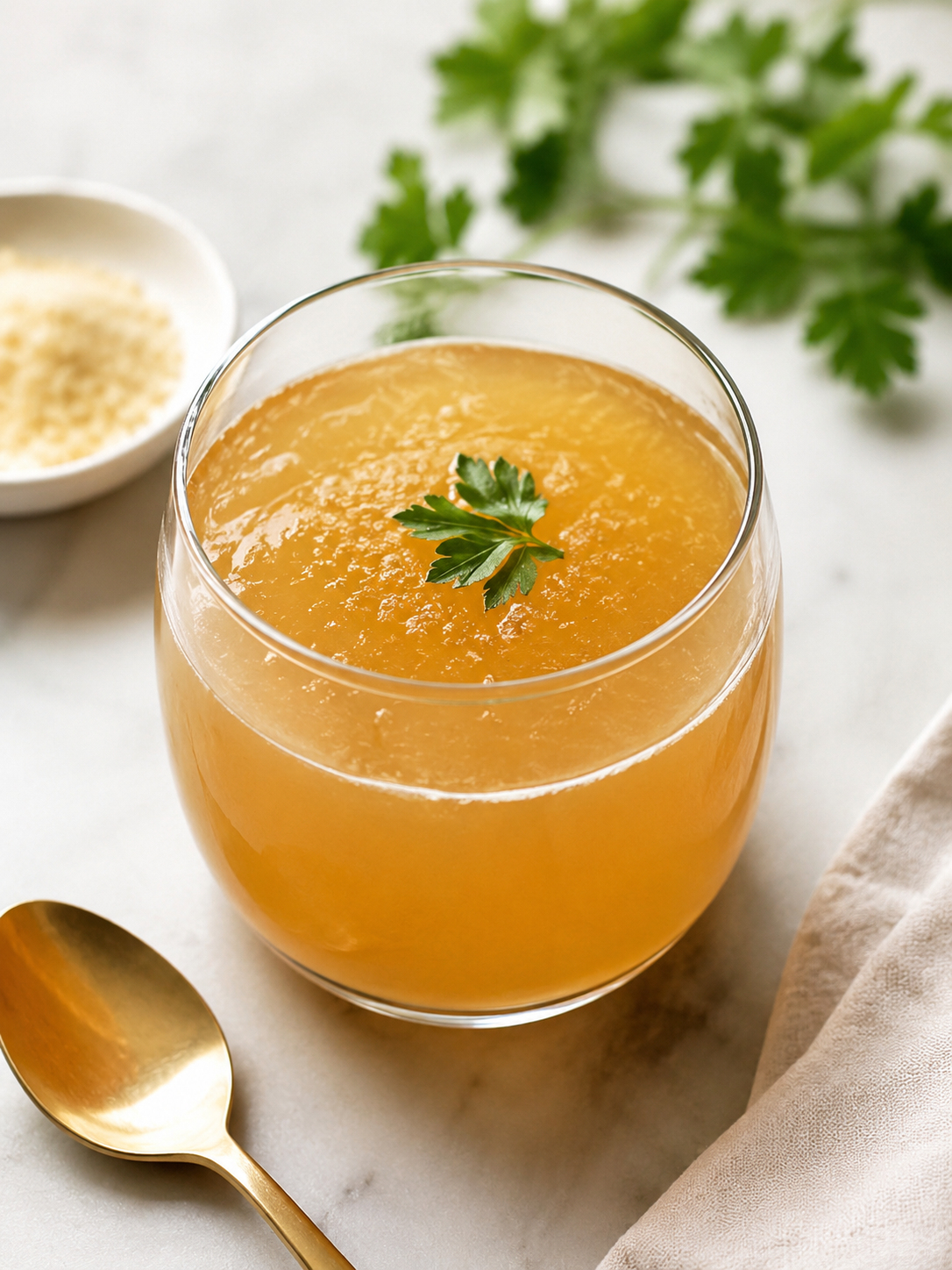
The first time I made the Dr William Li Gelatin Recipe, I wasn’t trying to make anything fancy. I had a bottle of pomegranate juice in the fridge, a little jar of plain grass-fed beef gelatin in the pantry, and one of those afternoons where dinner felt too far away. You know that feeling. The kitchen is quiet, your stomach is already asking questions, and you want something that feels useful without turning into a whole cooking project.
In my kitchen, I’ve found that the best wellness-style recipes are the ones you’ll actually repeat. Not the complicated ones. Not the ones with twelve powders and a blender to wash. The Dr William Li Gelatin Recipe works because it’s cold, lightly sweet, and easy to portion. You bloom the gelatin, warm the liquid, stir, chill, and you’re done. After making this dozens of times, I like it best in small glass cups because it feels like a tidy little pre-meal snack instead of “diet food.”
Dr. William Li, author of Eat to Beat Disease, often talks about food through the lens of the body’s natural defense systems, metabolic health, and the gut microbiome. The Dr William Li Gelatin Recipe has become popular because people connect it with satiety, GLP-1 activation, and the idea that a small protein-rich gel before eating may help you feel more satisfied going into a meal. I keep the claims realistic here: this isn’t medicine, and it doesn’t replace a balanced meal. It’s a simple food strategy.
The texture matters. That soft gel is the whole point. Gelatin comes from collagen, and Wikipedia describes gelatin as a mixture of peptides and proteins made by partial hydrolysis of collagen. That’s why collagen powder alone won’t give you the same set, bouncy spoonful. For the Dr William Li Gelatin Recipe, you need gelatin that gels.
I also love that this recipe can fit into a calm evening routine. If you’ve tried my gelatin weight loss recipe, this one will feel familiar, but the focus here is more pre-meal timing and simple ingredients. One reader told me, “I made four cups on Sunday, and it helped me stop grabbing random snacks before dinner.” Another said, “The pomegranate version tastes like a grown-up fruit snack.” That’s exactly the feeling I want from the Dr William Li Gelatin Recipe: simple, doable, and pleasant enough to make again.
Table of Contents
Key Takeaways
- The Dr William Li Gelatin Recipe uses plain gelatin, juice, and water to make small pre-meal gelatin cups.
- Gelatin is needed for the gelling effect; collagen powder will not set the same way.
- Pomegranate juice is a popular choice because it tastes bold and pairs well with the natural flavor of gelatin.
- A small serving before a meal may support fullness, but it’s not a weight loss cure.
- Grass-fed beef gelatin works well, though any plain, unflavored gelatin can set the recipe.
- Store the cups cold, covered, and use them as part of an overall balanced eating pattern.
What Is the Dr William Li Gelatin Recipe?
The Dr William Li Gelatin Recipe is a small gelatin cup made from plain gelatin, juice, and water, usually eaten before a meal. The goal is to create a light pre-meal snack with a gel texture that may help you slow down, feel more settled, and begin eating with less urgency.
What ingredients do you need for the Dr William Li Gelatin Recipe?
I keep the Dr William Li Gelatin Recipe very plain because plain is what makes it repeatable. You need unflavored gelatin, cold water for blooming, warm juice for dissolving, and a few small cups or jars. That’s it. My favorite version uses pomegranate juice because the flavor is deep, tart, and bright enough to cover the slightly savory note gelatin can have. You can also use tart cherry juice, unsweetened cranberry juice, or a diluted berry juice if you like a softer flavor.
For four small servings of the Dr William Li Gelatin Recipe, use 2 cups juice, 2 tablespoons unflavored gelatin, and ¼ cup cold water. Sprinkle the gelatin over the cold water first and let it sit for 5 minutes. This blooming step keeps clumps away. Warm the juice until steaming but not boiling, then whisk in the bloomed gelatin until fully dissolved. Pour into small cups and chill.
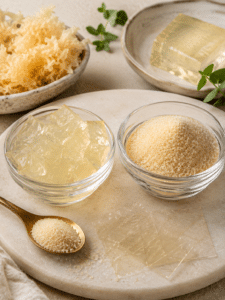
I like grass-fed beef gelatin because it sets cleanly and has a reliable texture, but you don’t have to make the recipe complicated. The label should say unflavored gelatin, not collagen peptides. Collagen dissolves into drinks, but it won’t give the Dr William Li Gelatin Recipe that spoonable gel. That texture is why people connect this recipe with a more satisfying pre-meal rhythm.
| Ingredient | Amount | Notes |
|---|---|---|
| Pomegranate juice | 2 cups | Use 100% juice if possible |
| Unflavored gelatin | 2 tablespoons | Grass-fed beef gelatin works well |
| Cold water | ¼ cup | For blooming the gelatin |
| Lemon juice | 1 teaspoon, optional | Brightens the flavor |
| Small cups | 4 | ½-cup portions work nicely |
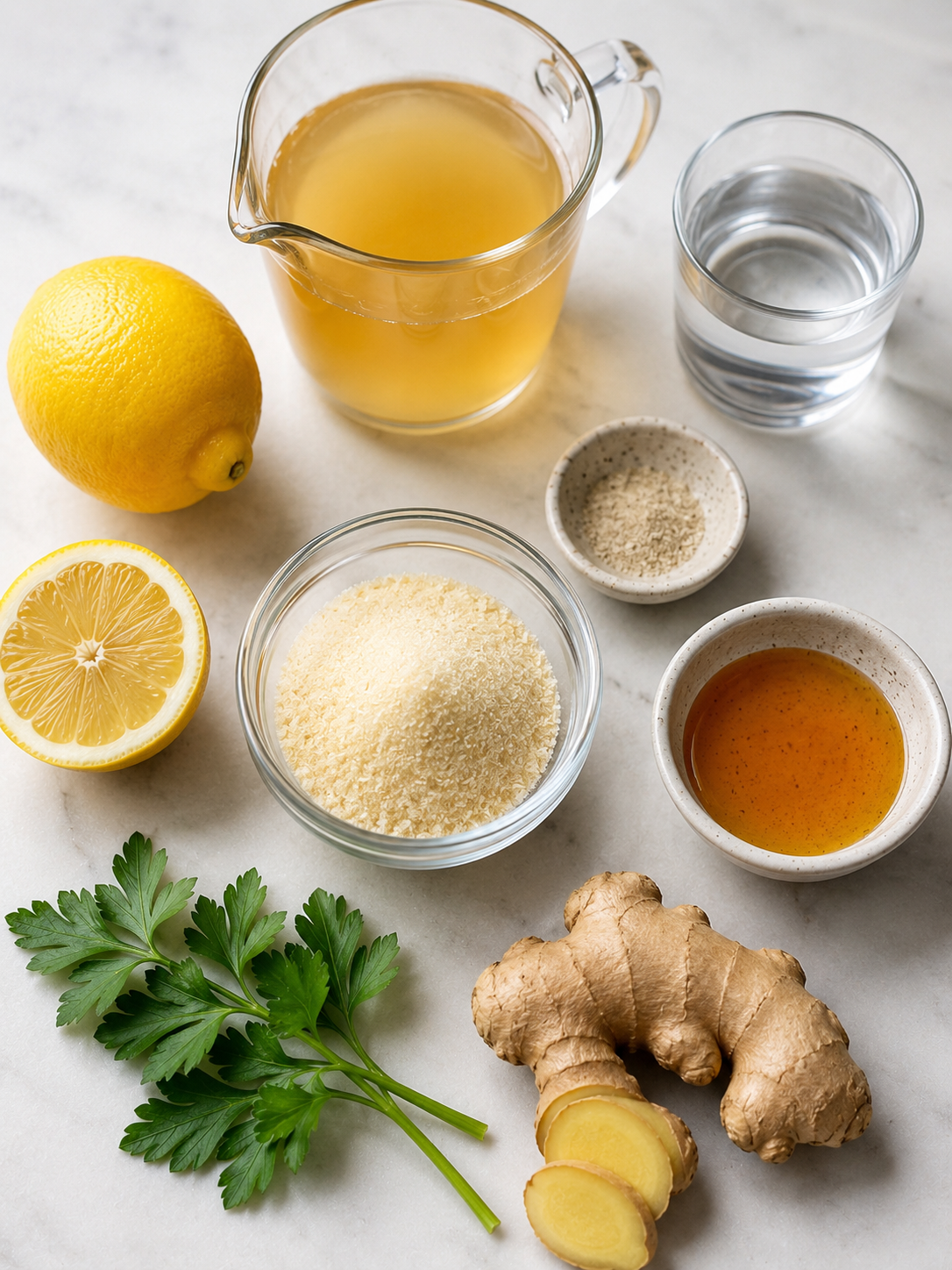
How do you make it without clumps?
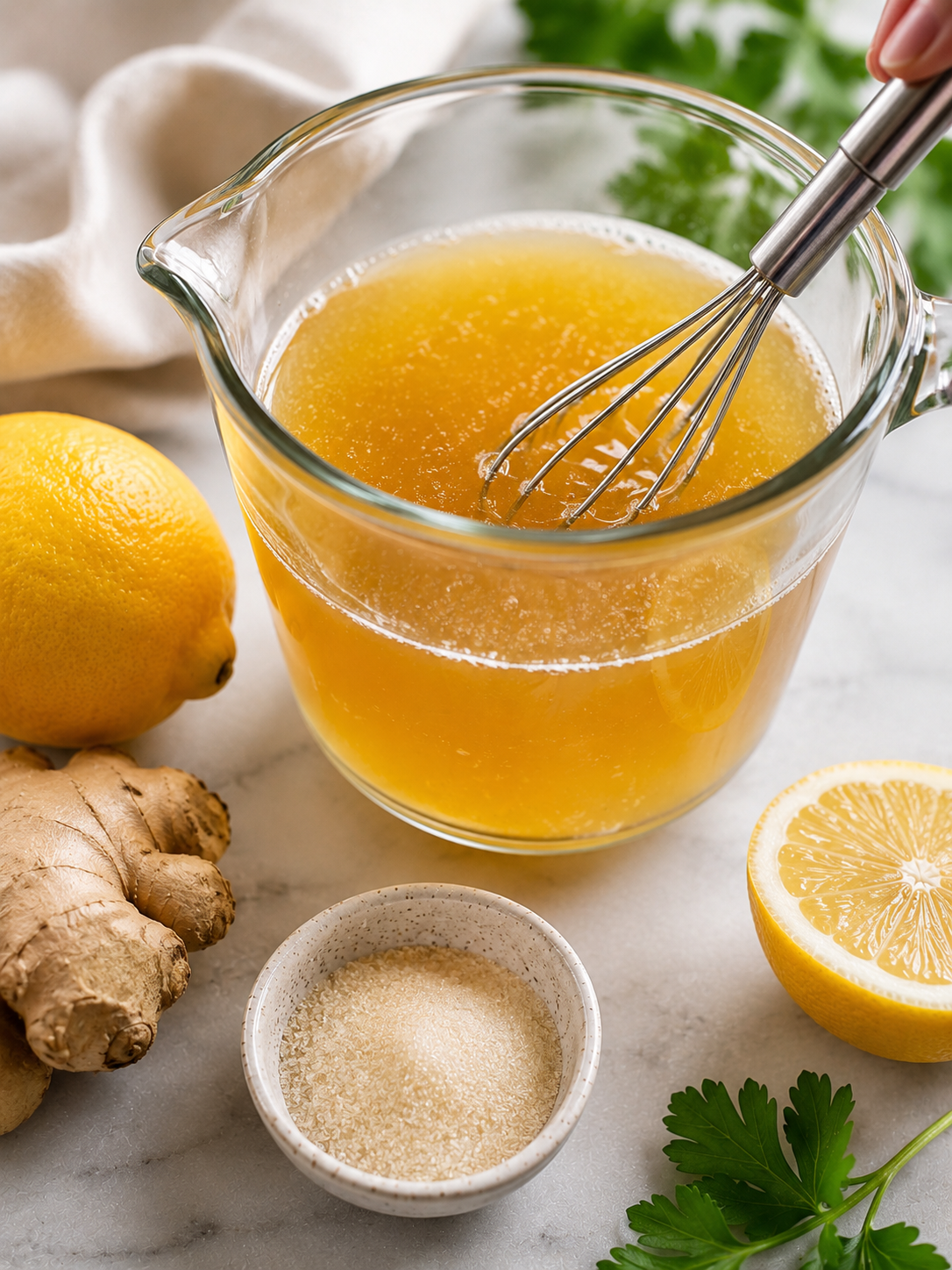
The trick is patience. I know, that sounds almost too simple, but gelatin wants a minute to hydrate before it melts smoothly. For the Dr William Li Gelatin Recipe, I sprinkle gelatin over cold water in a wide bowl instead of dumping it into hot liquid. If you pour dry gelatin straight into hot juice, it can form little rubbery beads, and nobody wants that.
Once the gelatin blooms, warm the juice gently. Don’t boil it. A simmer can make the flavor taste flat, especially with pomegranate juice. Whisk the bloomed gelatin into the warm juice until the liquid looks glossy and clear. If you see tiny specks, keep whisking for another minute. Then pour the Dr William Li Gelatin Recipe mixture through a fine mesh strainer if you want an extra smooth finish.
At this point, you can add a squeeze of lemon. I do this often because it keeps the taste lively. If you like natural sweetener, add only a small amount. The juice already brings sweetness, and the point of the Dr William Li Gelatin Recipe is to keep it light before eating. Chill the cups for at least 3 hours, though overnight gives the cleanest set.
If you like simple kitchen routines with a wellness angle, my baking soda trick follows that same practical style: easy ingredients, clear steps, and no fuss.
Dr William Li Gelatin Recipe
Ingredients
Equipment
Method
- Pour the cold water into a small bowl. Sprinkle the unflavored gelatin evenly over the top and let it bloom for 5 minutes.
- Add the pomegranate juice to a small saucepan. Warm over low to medium heat until steaming, but do not boil.
- Add the bloomed gelatin to the warm juice. Whisk for 1–2 minutes until fully dissolved and smooth.
- Stir in the lemon juice, if using.
- Pour the mixture into 4 small cups or jars.
- Refrigerate for 3–4 hours, or until fully set. Overnight chilling provides the best texture.
- Serve one small cup 15–30 minutes before a meal.
Notes
- Use unflavored gelatin, not collagen peptides. Collagen dissolves but will not create the proper gel texture.
- Pomegranate juice provides the best tart flavor, but tart cherry, cranberry, or mixed berry juice can also be used.
- Avoid fresh pineapple, kiwi, papaya, or mango juice because their natural enzymes can prevent gelatin from setting.
Why Does Dr. Li Suggest Eating Gelatin Before a Meal?
The Dr William Li Gelatin Recipe is commonly used before a meal because a small gelatin serving may help you feel more satisfied before you sit down to eat. The gel texture, protein content, and slower spoon-by-spoon eating style can make mealtime feel calmer.
What does the pre-meal snack idea mean?
A pre-meal snack sounds strange at first. Most of us think we should avoid eating before dinner so we’ll “save room.” But in my kitchen, I’ve found that showing up to the table too hungry often backfires. You eat faster. You grab more bread. You forget to notice when you’re full. The Dr William Li Gelatin Recipe gives you a tiny pause before the meal starts.
This is where the recipe feels useful. It’s not a giant snack. It’s a small gel cup, often around ½ cup, eaten 15 to 30 minutes before a meal. The cool texture takes a little time to spoon up, and that alone can help you slow your pace. The gelatin brings amino acids, including glycine, and the juice brings flavor. When made with pomegranate juice, the Dr William Li Gelatin Recipe tastes more like a simple fruit gel than a supplement.
People often connect this habit with GLP-1 activation because GLP-1 is tied to fullness and blood sugar response. Still, I’m careful with wording. Food can support normal body signals, but one gelatin cup won’t act like a prescription medication. The Dr William Li Gelatin Recipe belongs in the food category, not the miracle category.
If you enjoy natural pre-meal rituals, the gentle sweetness in my Canaan honey trick has a similar cozy feeling, though it works in a very different way.
How does the texture change the eating experience?
Texture is a big deal with the Dr William Li Gelatin Recipe. A drink goes down fast. A gel asks you to slow down. That small difference can matter when you’re trying to eat more thoughtfully. You take a spoonful, taste the tart juice, and give your stomach a minute to catch up with your brain. It’s such a home-cook thing, but it works better than forcing yourself to follow a strict rule.
The gel also makes the recipe feel more satisfying than plain juice. If you drank the same amount of pomegranate juice, it might feel like a sip and disappear. When it sets with gelatin, it becomes something you eat. That’s why collagen powder is not a swap for this recipe. Collagen can add protein to a drink, but it won’t make the Dr William Li Gelatin Recipe into a gel cup.
A lot of people use this recipe as part of a metabolic health routine. That usually means they’re trying to eat steadier meals, include enough protein, care for the gut microbiome, and avoid wild swings in hunger. The Dr William Li Gelatin Recipe can fit there, especially when it replaces random grazing before dinner.
For storage, keep the cups in the refrigerator. The FDA says refrigerators should be kept at 40°F or below for food safety, which is a useful rule for chilled foods like this FDA cold storage guidance.
Does the Dr William Li Gelatin Recipe Support GLP-1 Activation?
The Dr William Li Gelatin Recipe may support fullness signals because gelatin contains amino acids and creates a gel texture that slows the eating experience. Some protein-rich foods can influence GLP-1 response, but this recipe should be viewed as food support, not a guaranteed GLP-1 treatment.
What should you know about GLP-1 and gelatin?
GLP-1 is a hormone involved in appetite, digestion, and blood sugar response. When people talk about the Dr William Li Gelatin Recipe, they often mention GLP-1 activation because Dr. Li’s food-first approach focuses on how ingredients interact with the body’s systems. That’s interesting, but it also needs a calm explanation. A homemade gelatin cup is not the same thing as a GLP-1 medication.
Gelatin contains amino acids, including glycine, proline, and others. Protein and amino acids can play a role in satiety, which is the feeling that you’ve had enough. The gel texture may also help because you eat it slowly, and slower eating can make fullness easier to notice. So when someone asks whether the Dr William Li Gelatin Recipe increases GLP-1 levels, the best answer is: it may support normal fullness pathways, but you should not expect a dramatic or drug-like effect.
I like keeping this recipe grounded. You’re making a small cup with juice and gelatin. You’re not trying to hack your body. You’re giving yourself a simple pre-meal snack that can make dinner feel more balanced. The Dr William Li Gelatin Recipe becomes most useful when it sits beside other habits: protein at meals, fiber-rich plants, regular movement, good sleep, and realistic portions.
If you’re interested in gentle food routines, my honey trick for memory loss is another reader favorite, though I always suggest treating these recipes as kitchen support rather than medical care.
What role does the gut microbiome play?
Dr. Li often talks about the gut microbiome, and that’s one reason the Dr William Li Gelatin Recipe gets attention. The gut microbiome is the community of microbes living in the digestive tract. People interested in metabolic health often hear about Akkermansia muciniphila, a microbe linked in research discussions to the gut lining and metabolic markers. That does not mean one gelatin cup directly changes your microbiome overnight.
What the Dr William Li Gelatin Recipe can do is fit into a broader gut-friendly pattern. You can pair it with meals that include vegetables, beans, lentils, oats, berries, herbs, and fermented foods if those agree with you. Gelatin itself does not contain fiber, so I don’t pretend it feeds the microbiome the way beans or plants do. Instead, I think of it as a protein-rich gel that may help pre-meal appetite feel more settled.
Pomegranate juice is a popular choice because it brings bold flavor and plant compounds. It also makes the Dr William Li Gelatin Recipe taste good without needing candy-like sweetness. If you’re sensitive to juice or watching sugar intake, you can dilute it with water or use a smaller serving.
This is also where common sense matters. If you have diabetes, digestive issues, kidney disease, food allergies, or you take medication that affects appetite or blood sugar, ask a qualified health professional before making the Dr William Li Gelatin Recipe a daily habit. Food should support your life, not make you anxious.
What Kind of Juice and Gelatin Work Best?
The best juice for the Dr William Li Gelatin Recipe is one with strong flavor, like pomegranate juice, tart cherry juice, cranberry juice, or a berry blend. The best gelatin is plain, unflavored gelatin that clearly gels when chilled.
Why is pomegranate juice so popular?
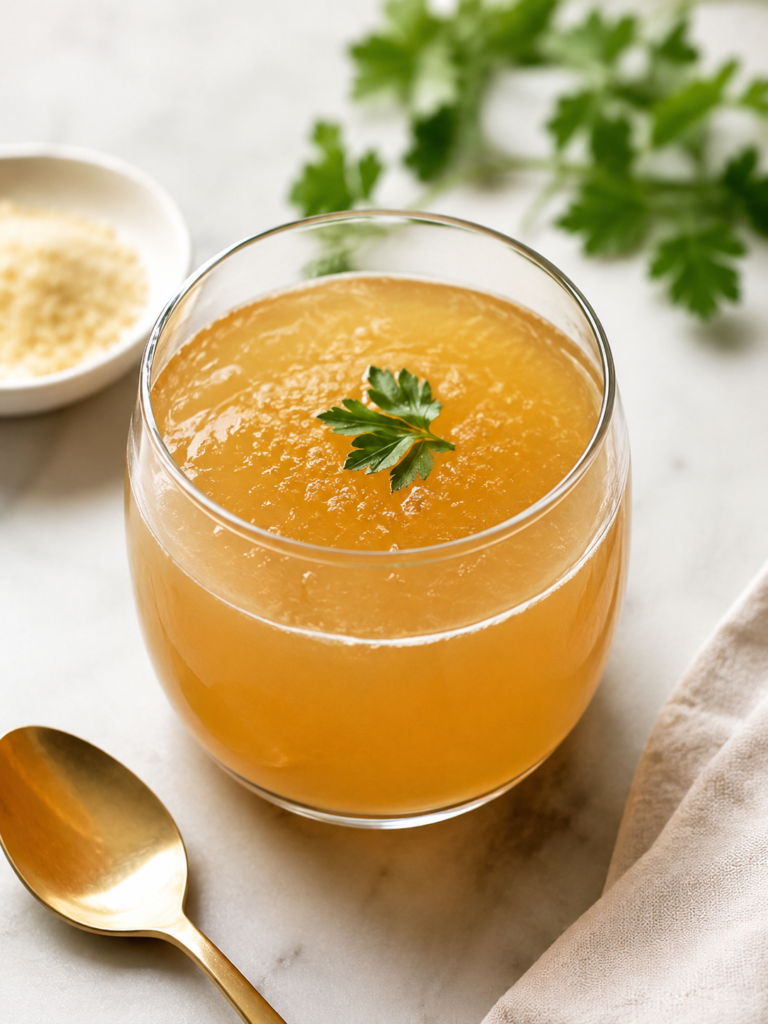
Pomegranate juice works beautifully in the Dr William Li Gelatin Recipe because it has enough tartness to balance gelatin’s mild flavor. Some juices taste too thin once they set. Pomegranate stays bold. It also gives the finished cups a deep ruby color that looks inviting in the fridge, and that matters more than people admit. When food looks good, you’re more likely to eat it instead of forgetting it behind the mustard.
I use 100% pomegranate juice when I can. If it tastes too strong, I cut it with water. A good starting point is 1½ cups pomegranate juice and ½ cup water, plus the bloomed gelatin. That keeps the Dr William Li Gelatin Recipe bright but not overpowering. Tart cherry juice is softer and more mellow. Cranberry juice can be sharp, so check whether it’s unsweetened or sweetened before using it.
You can also use green tea with a splash of juice, but the flavor will be less dessert-like. If you make the Dr William Li Gelatin Recipe for the first time, start with juice. Once you know the texture you like, then adjust.
A small squeeze of lemon helps almost every version. I don’t add much sweetener because juice already carries sugar. If you want a sweeter cup, add a teaspoon or two of honey to the warm juice and taste before chilling. For another naturally sweet kitchen idea, my Ben Carson honey recipe has that same pantry-friendly feel.
Can you use collagen instead of gelatin?
No, not for the gelling effect. This is one of the most important details in the Dr William Li Gelatin Recipe. Collagen peptides and gelatin both come from collagen, but they behave differently in the kitchen. Collagen peptides dissolve into liquid and stay liquid. Gelatin dissolves when warm and sets into a gel when chilled. For this recipe, the gel is the point.
I’ve tested this mistake because readers ask about it all the time. If you stir collagen into pomegranate juice and refrigerate it, you’ll get cold juice with collagen in it. That may be fine as a drink, but it’s not the Dr William Li Gelatin Recipe. It won’t spoon like a gel. It won’t give you that slow pre-meal eating experience.
Grass-fed beef gelatin is popular, but regular unflavored gelatin also works. Look for a powder that lists gelatin as the only ingredient. Avoid flavored gelatin packets because they often contain added sugar, colors, and flavors that change the recipe completely.
The ratio matters too. For a soft gel, use 1 tablespoon gelatin per 2 cups liquid. For a firmer gel, use 2 tablespoons per 2 cups liquid. I prefer the firmer version for the Dr William Li Gelatin Recipe because it portions neatly and feels more satisfying. If your cups turn out too stiff, reduce the gelatin next time. If they slump like syrup, add a little more.
How Do You Serve, Store, and Use It Daily?
The Dr William Li Gelatin Recipe is best served cold in small portions, usually 15 to 30 minutes before a meal. Store it covered in the refrigerator, and make only a few days’ worth at a time for the best flavor and texture.
How much should you eat per day?
For most people, one small serving of the Dr William Li Gelatin Recipe per day is a reasonable starting point. I usually make ½-cup portions. That gives you enough to enjoy the texture without turning it into a large snack. Some people use it before lunch. Others prefer it before dinner, especially if late-afternoon hunger tends to send them searching the pantry.
You don’t need to eat a tray of gelatin to get the point. More is not always better. Gelatin is protein-rich, but it’s not a complete meal and it doesn’t replace vegetables, fiber, healthy fats, or other protein foods. I think of the Dr William Li Gelatin Recipe as a small tool, not the whole toolbox.
If you’re new to gelatin, start with a few spoonfuls and see how your stomach feels. Some people digest it easily. Others need smaller amounts. If you have a medical condition, follow professional advice, especially if you’re changing your eating routine for weight, blood sugar, or digestion.
The timing can be flexible. Try it 20 minutes before a meal for a week and notice what happens. Are you calmer at dinner? Do you serve yourself more thoughtfully? Do you snack less while cooking? Those real-life clues matter. The Dr William Li Gelatin Recipe should make your routine easier, not stricter.
For another simple daily ritual, my pink salt trick is popular with readers who like quick kitchen habits.
How long does it take to set?
The Dr William Li Gelatin Recipe usually takes 3 to 4 hours to set in the refrigerator. Overnight is best if you want a clean, firm texture. Shallow dishes set faster than deep jars, so use small cups if you want the recipe ready sooner. If the center still looks loose after 3 hours, give it more time.
To store it, cover each cup with a lid or wrap. I like small glass jars because they stack well and don’t pick up fridge smells. The Dr William Li Gelatin Recipe tastes best within 3 to 4 days. After that, the texture can tighten, and the juice flavor may taste less fresh.
You can serve it plain with a spoon, or add a few pomegranate arils on top right before eating. Don’t add fruit like fresh pineapple, kiwi, papaya, or mango before setting because some fresh fruits contain enzymes that can interfere with gelatin. Cooked or canned versions are usually less troublesome, but I keep this recipe simple and skip fruit inside the gel.
If your gelatin doesn’t set, check three things: the gelatin amount, the heat level, and the fruit juice. You may have used collagen by mistake, overheated the mixture, or added an enzyme-rich fruit. Once you get the method down, the Dr William Li Gelatin Recipe becomes one of those easy prep-ahead cups you can make while cleaning up breakfast.
FAQ
What is the Dr. William Li gelatin recipe?
The Dr William Li Gelatin Recipe is a simple pre-meal gelatin cup made with unflavored gelatin and juice, most often pomegranate juice. You bloom the gelatin in cold water, dissolve it into warm juice, pour it into small cups, and chill until set. People often connect it with Dr. William Li’s food-first approach from Eat to Beat Disease, especially ideas around metabolic health, fullness, and the gut microbiome. The recipe is not a medical treatment. It’s better understood as a small, protein-containing snack that may help you slow down before a meal. The key detail is that you must use real gelatin, not collagen peptides, because gelatin creates the spoonable gel texture.
Why does Dr. Li suggest eating gelatin before a meal?
The idea behind eating the Dr William Li Gelatin Recipe before a meal is that a small gel snack may help you feel more settled before you eat. When you’re extremely hungry, it’s easy to rush through dinner or snack while cooking. A pre-meal gelatin cup gives your body a few minutes to start noticing fullness signals. The gelatin provides amino acids, and the gel texture makes you eat slowly with a spoon. People often connect this to GLP-1 activation and satiety, but it’s important to keep the claim realistic. This recipe may support a calmer mealtime, but it does not work like a medication or replace balanced meals.
Does gelatin increase GLP-1 levels?
The Dr William Li Gelatin Recipe is often discussed in relation to GLP-1 because protein and amino acids can play a role in fullness signals. GLP-1 is involved in appetite and blood sugar response, and certain foods may support the body’s normal release of satiety hormones. That said, it would be too strong to claim that a homemade gelatin cup reliably increases GLP-1 in a dramatic way for everyone. Think of gelatin as a food that may support satiety, especially when eaten slowly before a meal. The best results usually come when this recipe fits into a bigger pattern that includes protein, fiber-rich plants, sleep, movement, and steady meals.
Can I use collagen instead of gelatin for this recipe?
No, collagen is not a good swap for the Dr William Li Gelatin Recipe if you want the gelling effect. Collagen peptides dissolve into liquid and stay liquid, even after chilling. Gelatin dissolves in warm liquid and then firms up in the refrigerator. That gel texture is the main reason this recipe works as a pre-meal snack. It turns juice into something you eat with a spoon, which can make it feel more satisfying than a drink. Collagen may be useful in other recipes, but for this one, use plain unflavored gelatin. Check the label carefully because jars of collagen and gelatin can look very similar.
What kind of juice is best for Dr. Li’s gelatin?
Pomegranate juice is the most popular choice for the Dr William Li Gelatin Recipe because it tastes bold, tart, and naturally rich. It also gives the gelatin a beautiful deep color. Tart cherry juice, cranberry juice, and berry juice can work too, as long as you like the flavor. Choose 100% juice when possible, and dilute it with water if it tastes too sweet or too strong. I don’t suggest using fresh pineapple, kiwi, papaya, or mango juice unless it has been heat-treated, because some enzymes in those fruits can stop gelatin from setting well. For a balanced taste, add a small squeeze of lemon before chilling.
How much gelatin should I eat per day?
A common serving of the Dr William Li Gelatin Recipe is about ½ cup per day, usually before one meal. That amount is small enough to fit into a normal eating routine but still enough to give you the gel texture and pre-meal pause. You don’t need large portions. More gelatin does not automatically mean better results. If you’re new to gelatin, start with a few spoonfuls and see how you feel. Some people like it before lunch, while others find it most helpful before dinner. If you have kidney disease, diabetes, digestive concerns, or a medical eating plan, check with a qualified professional before using it daily.
Does this recipe help with weight loss?
The Dr William Li Gelatin Recipe may support weight management for some people because it can help with pre-meal fullness and slower eating. It is not a weight loss cure. No gelatin cup can replace the basics: enough protein, fiber-rich foods, movement, sleep, and portions that fit your needs. Where this recipe can help is the moment before a meal, especially if you tend to arrive at the table overly hungry. A small gel cup may help you feel more in control and less likely to snack while cooking. For a related recipe, my Asian honey protocol recipe is another simple routine readers ask about often.
Is gelatin good for gut health?
Gelatin contains amino acids, including glycine, and many people find it gentle and soothing, but the Dr William Li Gelatin Recipe should not be described as a guaranteed gut-health fix. Gelatin does not contain fiber, so it does not feed the gut microbiome the same way beans, vegetables, berries, oats, or lentils do. It can still fit into a gut-friendly pattern, especially when your meals include plant foods and other protein sources. People interested in Dr. Li’s work often talk about Akkermansia muciniphila and the gut lining, but one recipe alone will not control your microbiome. Use this gelatin cup as one small part of a varied eating routine.
Can I make this vegan?
You can make a vegan-style fruit gel inspired by the Dr William Li Gelatin Recipe, but it will not be the same recipe nutritionally. Gelatin comes from animal collagen, so it is not vegan. Agar-agar, made from seaweed, can set juice into a firm gel, and it’s the best plant-based option for texture. The difference is amino acids. Agar-agar does not provide the same gelatin amino acid profile, including glycine, so it won’t match the original food idea exactly. To make a vegan version, use agar-agar according to the package directions with pomegranate juice. Expect a firmer, cleaner bite rather than gelatin’s soft wobble.
How long does the gelatin take to set?
The Dr William Li Gelatin Recipe usually takes 3 to 4 hours to set in the refrigerator. For the best texture, chill it overnight. Small cups set faster than one large dish, so I recommend dividing the mixture into ½-cup jars before chilling. If your gelatin has not set after 4 hours, check whether you used collagen peptides by mistake, added too much liquid, or used fresh fruit juice with enzymes that can interfere with setting. The finished gelatin should hold its shape on a spoon but still feel soft. Keep the cups covered in the refrigerator and enjoy them within 3 to 4 days.
What are the three ingredients in the Dr. Oz gelatin trick?
The version commonly linked to Dr. Oz online uses three ingredients: unflavored gelatin powder, hot water to dissolve it, and an unsweetened pink juice, most often cranberry, tart cherry, or pomegranate. It’s worth noting that Dr. Oz has never published this exact recipe under his name; the association appears to have grown organically on social media, possibly because of his past comments on collagen and protein for satiety. The recipe itself is nearly identical to the TikTok version and to Dr. William Li’s pre-meal gelatin cup, just attributed to a different public figure.
What are the three ingredients in the gelatin trick on TikTok?
The TikTok version of the gelatin trick typically uses three ingredients: unflavored gelatin powder, water (cold water to bloom the gelatin, then hot or warm water to dissolve it), and a flavoring liquid, often a splash of lemon juice or an unsweetened pink juice like cranberry. Some creators skip the juice entirely and use water with a squeeze of citrus. The core mechanism stays the same across versions: gelatin expands slightly once it hits liquid, which can support a sense of fullness before eating.
Conclusion: Should You Try the Dr William Li Gelatin Recipe?
The Dr William Li Gelatin Recipe is one of those little kitchen habits that feels almost too easy, and that’s exactly why I like it. You don’t need special equipment. You don’t need a complicated plan. You only need plain gelatin, good juice, a few minutes at the stove, and enough patience to let the cups chill.
What makes this recipe worth repeating is the pre-meal rhythm. A small cup before lunch or dinner can help you slow down, notice your hunger, and walk into the meal feeling a little more steady. It may support fullness, and it fits nicely into a food-first routine inspired by Dr. Li’s work, but it’s not a promise or a cure. The Dr William Li Gelatin Recipe works best when it joins a real-life pattern of balanced meals, protein, plants, and simple habits you can keep.
In my kitchen, I’d rather have one small recipe I’ll actually make than a perfect plan I’ll abandon by Thursday. Start with pomegranate juice, use real gelatin, chill it overnight, and try one cup before dinner. For another cozy pantry idea, you might enjoy my Hilamayan honey recipe after you try this gelatin cup.