Post Disclaimer
The information contained in this post is for general information purposes only. The information is provided by cottage cheese flatbread recipe: Crispy, Easy High-Protein Wrap and while we endeavour to keep the information up to date and correct, we make no representations or warranties of any kind, express or implied, about the completeness, accuracy, reliability, suitability or availability with respect to the website or the information, products, services, or related graphics contained on the post for any purpose.
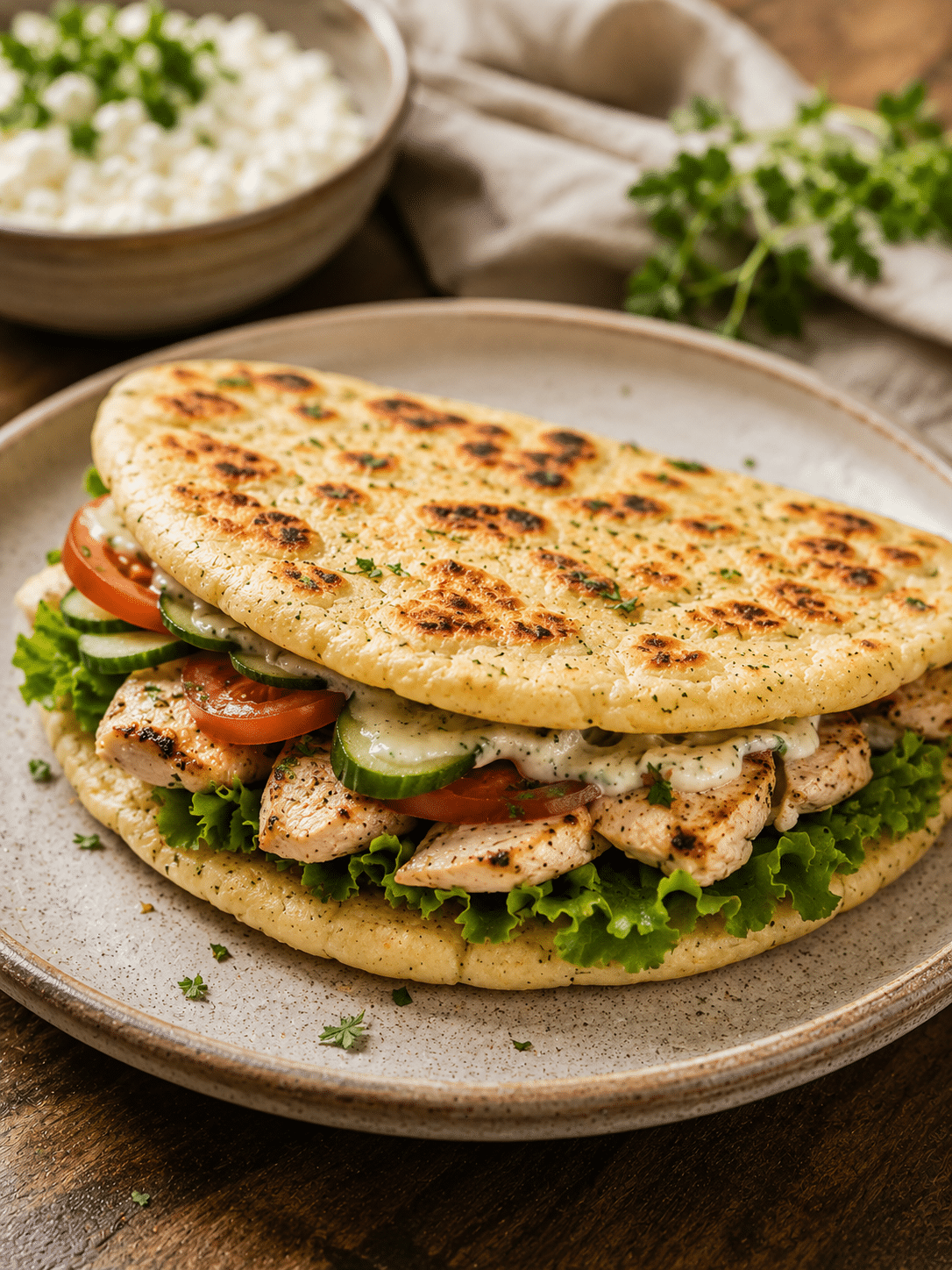
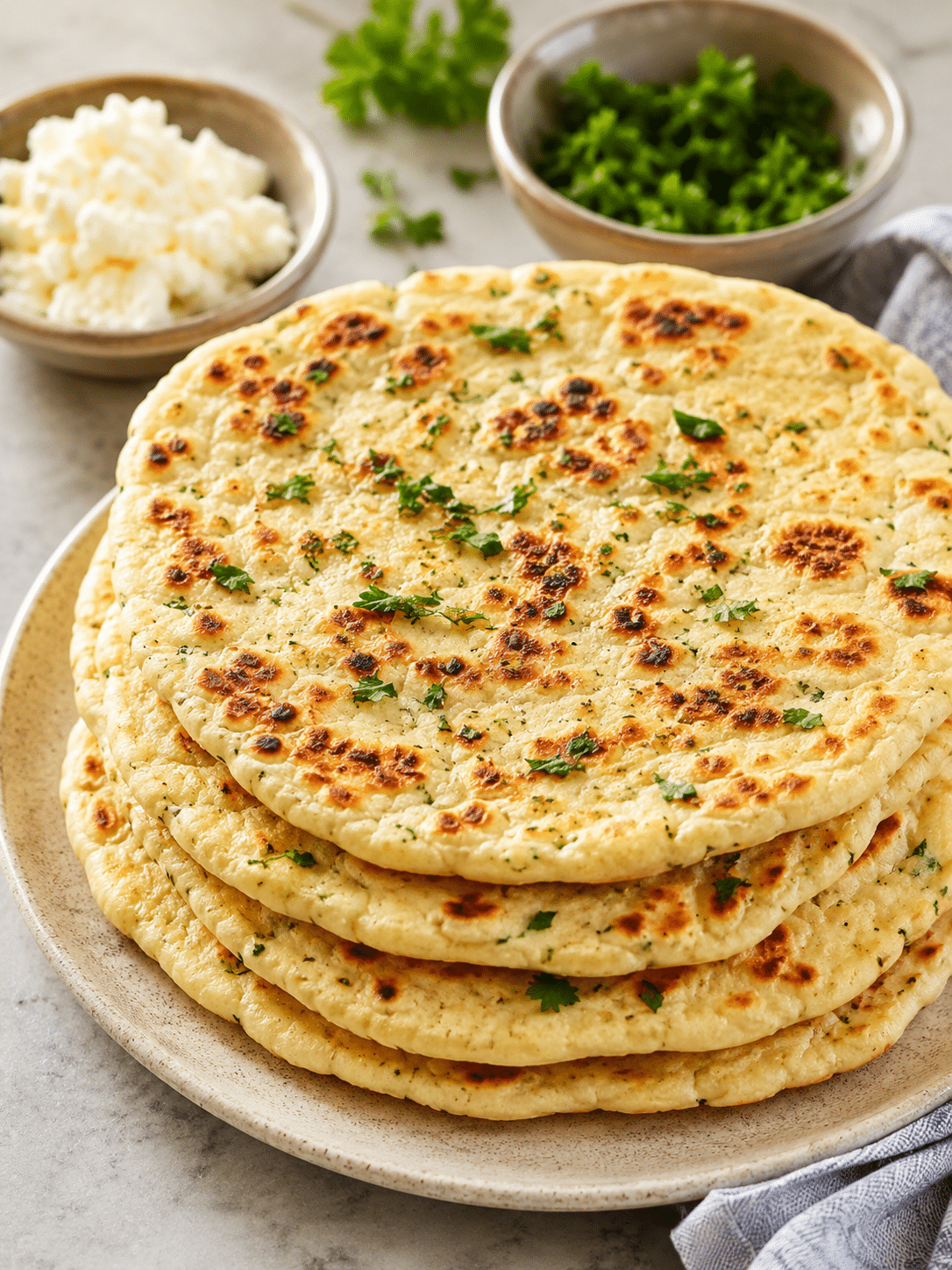
This cottage cheese flatbread recipe blends cottage cheese, eggs, and a small amount of flour or almond flour into a tender, protein-rich batter that bakes into a flexible flatbread. Bake it thin, cool it fully, then crisp it in a skillet for wraps, snacks, or quick dinners.
Why This Flatbread Became My Weeknight Favorite
I first made this cottage cheese flatbread recipe on one of those nights when the fridge looked almost empty, but I still wanted something warm, soft, and useful. I had cottage cheese, eggs, and a little flour sitting there, and honestly, I didn’t expect much. Then the pan came out of the oven with golden edges, a soft center, and that cozy smell you get when something simple turns into dinner.
After making this dozens of times in my kitchen, I’ve found that the biggest win is texture. A good cottage cheese flatbread recipe shouldn’t taste like scrambled eggs, and it shouldn’t crumble when you fold it. It should feel sturdy enough for chicken, beef, shrimp, or veggies, but still soft enough to roll around a filling. That balance comes from blending the cottage cheese until smooth, spreading the batter thin, baking long enough, and letting it cool before lifting it.
This recipe is for the home cook who wants a Simple cottage cheese flatbread recipe that doesn’t need fancy tools. A blender helps, but even a food processor works. You can make cottage cheese flatbread with flour for a more classic bread-like bite, cottage cheese flatbread with almond flour for a lower-carb style, or cottage cheese flatbread no flour when you want a softer, lighter wrap. I’ll also show you how to make cottage cheese flatbread 2 ingredients, a 3 ingredient cottage cheese flatbread, and even a cottage cheese flatbread air fryer version.
I love using this flatbread with savory dinners. It’s perfect beside garlic herb chicken when you want something to scoop up juices, and it works beautifully as a wrap for sliced steak, grilled chicken, or spicy shrimp. One reader, Jenna, told me, “I finally made a wrap that didn’t crack in half, and my kids ate it before I could fill mine.” That’s the kind of kitchen moment I’m after.
A flatbread is one of the oldest, simplest bread styles in home cooking, and the idea is wonderfully flexible. For a little background, Wikipedia describes flatbread as bread made with flour, water, milk, yogurt, or other liquid, often rolled flat and cooked quickly. This cottage cheese flatbread recipe takes that old idea and gives it a modern, protein-rich spin.
Cottage cheese also brings a creamy tang that makes the bread taste richer than the ingredient list suggests. It’s part of the dairy group, and MyPlate’s dairy guidance notes that dairy foods can provide nutrients such as calcium, potassium, vitamin D, and protein. That doesn’t turn this into magic food, but it does make this cottage cheese flatbread recipe a practical choice when you want something filling, warm, and easy to pair with real meals.
Table of Contents
Key Takeaways
- This cottage cheese flatbread recipe works best when the cottage cheese gets blended completely smooth before baking.
- For a sturdy wrap, use the 3 ingredient cottage cheese flatbread version with cottage cheese, eggs, and flour or almond flour.
- Cottage cheese flatbread 2 ingredients works, but it stays softer and needs extra cooling time before lifting.
- For crispy edges, bake until dry on top, cool fully, then toast the flatbread in a hot skillet.
- Cottage cheese flatbread no egg needs a binder like flour, almond flour, or a small amount of starch, but it will be less flexible.
- Cottage cheese flatbread air fryer style works best in small rounds on parchment, not one large sheet.
- This cottage cheese flatbread recipe makes a quick base for wraps, pizzas, breakfast folds, and high-protein snacks.
What Makes a cottage cheese flatbread recipe Work?
A cottage cheese flatbread recipe works when moisture, protein, and binder stay in balance. Cottage cheese brings creaminess and protein, eggs help the batter set, and flour or almond flour gives the flatbread enough structure to bend without tearing. Thin spreading and full cooling matter just as much as the ingredients.
Why does cottage cheese act like the binder?
Here’s the thing I learned after a few messy test batches: cottage cheese needs help before it can act like bread. Straight from the tub, it has curds and whey, and those little curds can leave weak spots in the flatbread. When you blend it smooth, the cottage cheese turns creamy and spreads through the eggs evenly. That’s when this cottage cheese flatbread recipe starts behaving like a batter instead of a cheesy scramble.
The eggs give the flatbread its set. They firm up in the oven and hold everything together. Flour makes the texture more familiar, almost like a soft tortilla. Almond flour gives a nuttier flavor and a tender bite, which is why cottage cheese flatbread with almond flour is a good pick for a lower-carb meal. A cottage cheese flatbread no flour version can work too, but it needs careful baking because it has less structure. You’ll get something softer and more delicate, so it’s better for open-faced toppings than heavy wraps.
For the most reliable version, I use the 3 ingredient cottage cheese flatbread formula: cottage cheese, eggs, and a spoonful or two of flour. That tiny bit of dry ingredient makes a big difference. It soaks up extra moisture and helps the flatbread lift cleanly from the parchment. When readers ask why their cottage cheese flatbread recipe fell apart, the answer usually comes down to too much moisture, not enough baking time, or lifting it while it’s still hot.
What texture should you expect?
A good cottage cheese flatbread recipe should feel soft and bendy when cooled, with edges that can crisp if you toast them. It won’t taste exactly like pita or naan because it has no yeast and very little starch. Think of it as a protein wrap with a gentle dairy tang, a soft bite, and a golden finish. It should roll around fillings, fold for sandwiches, or cut into wedges for dipping.
If you want it more bread-like, make cottage cheese flatbread with flour. All-purpose flour gives the most familiar texture, while oat flour makes it a little heartier. If you want it more tender and rich, use almond flour. Cottage cheese flatbread with almond flour is lovely with smoky meats, eggs, and creamy sauces because the nutty flavor plays well with savory fillings. When I’m serving keto jalapeno poppers burger, I often choose the almond flour version because it holds up nicely next to bold flavors.
The biggest texture mistake is pulling the flatbread from the oven too early. It may look set, but the center can still hold steam. Let it bake until the top looks dry, the edges turn golden, and the middle no longer jiggles. Then cool it on the parchment. That cooling time lets the protein firm up, which makes this cottage cheese flatbread recipe much easier to handle.
Which Ingredients Make the Best Flatbread?
A cottage cheese flatbread recipe needs creamy cottage cheese, eggs, salt, and an optional dry binder. Use full-fat or low-fat cottage cheese, but blend it smooth. Add flour for a flexible wrap, almond flour for a softer lower-carb flatbread, or skip flour for a delicate no-flour version.
What do you need for the basic recipe?
When I want the most dependable cottage cheese flatbread recipe, I use cottage cheese, eggs, flour, salt, and a little seasoning. That’s it. Full-fat cottage cheese gives the richest flavor, but low-fat cottage cheese works too. I don’t love fat-free cottage cheese here because it can bake up rubbery and watery. Small-curd or large-curd both work once blended, so don’t worry about the label too much.
Here’s my everyday ingredient guide:
| Ingredient | Amount | Why it matters |
|---|---|---|
| Cottage cheese | 1 cup | Adds protein, moisture, and creamy tang |
| Large eggs | 2 | Helps the flatbread set and hold together |
| Flour or almond flour | 2 to 4 tablespoons | Adds structure and helps prevent tearing |
| Fine salt | 1/4 teaspoon | Balances the mild dairy flavor |
| Garlic powder or Italian seasoning | 1/2 teaspoon | Adds savory flavor without extra moisture |
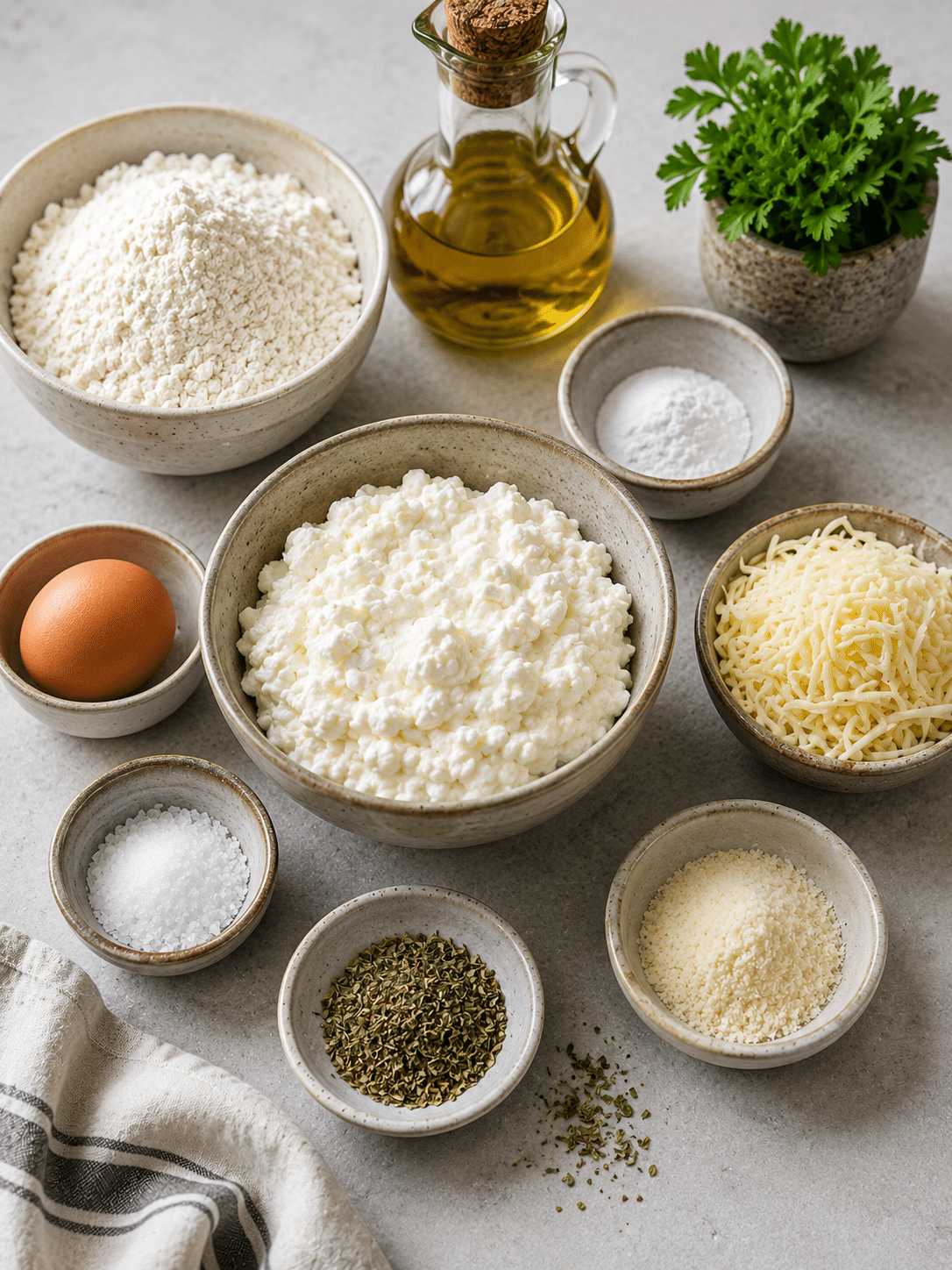
For cottage cheese flatbread 2 ingredients, use 1 cup cottage cheese and 2 eggs. It’s simple and tasty, but softer. For a 3 ingredient cottage cheese flatbread, add 2 to 4 tablespoons of flour or almond flour. That small change makes this cottage cheese flatbread recipe easier to lift, fold, and toast. If you want cottage cheese flatbread with flour, start with 3 tablespoons all-purpose flour. If you want cottage cheese flatbread with almond flour, start with 4 tablespoons because almond flour absorbs moisture differently.
I like seasoning based on how I’ll serve it. For breakfast, I use a pinch of salt and black pepper. For dinner wraps, I add garlic powder. For a pizza-style flatbread, I add Italian seasoning and a sprinkle of parmesan. When I’m pairing it with creamy keto Cajun shrimp, I keep the flatbread mild so the sauce gets to be the star.
Can you make it no egg, no flour, or air fryer style?
Yes, but each version needs its own expectations. Cottage cheese flatbread no egg is the trickiest because eggs are the main binder. You can make a no-egg version with cottage cheese, flour, and a little baking powder, but it won’t be as flexible. I’d use 1 cup blended cottage cheese, 1/2 cup flour, 1/2 teaspoon baking powder, and a pinch of salt. Spread it into smaller rounds rather than one large sheet. Smaller flatbreads hold together better.
Cottage cheese flatbread no flour is easier if you keep the eggs. Use cottage cheese and eggs, blend until smooth, and bake it thin. The texture will be more like a soft wrap than bread. Let it cool fully before moving it. This cottage cheese flatbread recipe can be made no flour for lighter wraps, but I’d avoid stuffing it with heavy fillings until you’ve toasted it.
For cottage cheese flatbread air fryer style, make smaller portions. Air fryers move hot air fast, so one large thin sheet can curl. Spread batter on air-fryer parchment in small ovals, then cook at 325°F until set and lightly golden. Flip only after the flatbread firms up. The air fryer version is great for quick snacks, especially when you want crispy edges without heating the oven.
How Do You Make Cottage Cheese Flatbread Step by Step?
A cottage cheese flatbread recipe comes together by blending cottage cheese, eggs, and flour until smooth, spreading the batter thin on parchment, baking until dry and golden, then cooling before peeling. The flatbread gets sturdier as it rests, so don’t rush the last step.
How do you mix and spread the batter?
Start with the blender. Add 1 cup cottage cheese, 2 large eggs, 3 tablespoons flour or 4 tablespoons almond flour, 1/4 teaspoon salt, and any seasoning you like. Blend until the batter looks silky, not lumpy. This matters more than most people think. A smooth batter gives this cottage cheese flatbread recipe an even texture from edge to edge.
Line a baking sheet with parchment paper. Don’t skip it. Greasing the pan alone usually isn’t enough because the protein can stick as it sets. Pour the batter into the center and spread it into a thin rectangle or oval, about 1/8 to 1/4 inch thick. Too thick, and it turns custardy. Too thin, and the edges may dry before the middle sets. I aim for a wrap-sized sheet that can be cut into two portions.
Bake at 375°F for 25 to 35 minutes, depending on your oven and thickness. The top should look dry, the edges should turn golden, and the middle should feel set when gently touched. If the center looks shiny or wet, give it more time. A slightly longer bake helps this cottage cheese flatbread recipe hold together.
One reader, Marcus, wrote to lorachef Recipes and said, “The first time I rushed it and it ripped. The second time I baked it five minutes longer and cooled it on the pan. Perfect.” That’s exactly the kind of small adjustment that changes the whole result.
When is it done, and how should you cool it?
The flatbread is done when it releases steam, dries across the top, and browns lightly around the edges. The color doesn’t need to be dark. In fact, if you bake it until deeply browned, it may turn too stiff to fold. For a flexible cottage cheese flatbread recipe, golden edges and a dry center are the signs you want.
Cooling is not optional. Let the flatbread sit on the baking sheet for at least 10 minutes. Then gently loosen the edges and peel it from the parchment. If it sticks, wait longer. Warm flatbread tears more easily because the proteins are still soft. Once cool, it becomes sturdier and easier to fill.
For meal prep, stack cooled pieces with parchment between them and store them in the fridge. Warm them in a skillet for the best texture. I love filling one with leftover Korean ground beef bowl ingredients because the savory beef and rice-style toppings work so well with the mild flatbread. Just keep juicy sauces light until after reheating, so the flatbread stays firm.
This cottage cheese flatbread recipe also works as a mini pizza base. Bake the flatbread, cool it, add sauce and toppings, then return it to the oven for a few minutes. Don’t overload it with sauce. A thin layer keeps the base from softening too much.
How Do You Get Cottage Cheese Flatbread Crispy?
To make a cottage cheese flatbread recipe crispy, bake it until fully set, cool it, then toast it in a hot skillet or air fryer. The oven cooks the structure, but the second heat gives crispy edges. A little oil spray helps, but too much can make it heavy.
Why does a second cook make it crispier?
The first bake sets the flatbread. The second cook crisps it. That’s my favorite trick for this cottage cheese flatbread recipe, especially when I’m using it as a wrap for juicy fillings. After the flatbread cools, place it in a dry skillet over medium heat. Cook each side for 1 to 2 minutes until it gets lightly crisp and browned in spots. You can add a tiny mist of oil, but don’t pour oil into the pan. A little goes a long way.
Crisping works because the flatbread has already lost enough moisture in the oven. The skillet drives off a bit more and gives the surface direct heat. If you try to crisp it before it cools, it may tear or stick. Cool first, toast second. That order makes this cottage cheese flatbread recipe much more reliable.
For cottage cheese flatbread air fryer crisping, set the air fryer to 350°F and cook the cooled flatbread for 2 to 4 minutes. Watch it closely because thin edges can brown fast. I like this method for wedge-style pieces that I serve with dips. It gives a snacky texture, almost like a soft cracker with a chewy center.
If you want a crisp dinner wrap, fill it after crisping, not before. Warm fillings are fine, but watery fillings can soften the bread. Spoon saucy meats down the center, fold, and eat right away. It’s especially good with bang bang chicken skewers, where the spicy-sweet sauce tastes great against the mild cottage cheese base.
What fillings work best without making it soggy?
Dry-ish fillings work best: grilled chicken, sliced steak, scrambled eggs, roasted vegetables, turkey, tuna salad, and crisp lettuce. If you’re using sauce, spread a thin layer or serve extra on the side. This cottage cheese flatbread recipe can handle moisture, but it isn’t a thick bakery bread. Treat it like a tender wrap and it’ll reward you.
For a lunch wrap, I like sliced chicken, greens, cucumber, and a little yogurt sauce. For breakfast, scrambled eggs and spinach taste cozy. For dinner, steak strips and peppers turn it into a high-protein fold. If you’re serving something rich like garlic steak tortellini, cut the flatbread into wedges and use it like a warm side instead of a full wrap.
You can also make cottage cheese flatbread with flour and cut it into strips for dipping. That version crisps better than the no-flour one because flour helps the surface brown. Cottage cheese flatbread with almond flour crisps too, but it stays more tender in the middle. Both taste good; they’re just different.
In my kitchen, I’ve found the crispest cottage cheese flatbread recipe starts with a thinner spread, a longer bake, and patient cooling. No shortcuts. Thin batter gives you more surface area, the oven dries the center, and the skillet finishes the job. It’s simple, but it works every time.
cottage cheese flatbread recipe
Ingredients
Equipment
Method
- Preheat the oven to 375°F. Line a baking sheet with parchment paper.
- Add cottage cheese, eggs, flour or almond flour, salt, garlic powder, and Italian seasoning (if using) to a blender.
- Blend until the mixture is completely smooth and creamy.
- Pour the batter onto the parchment-lined baking sheet.
- Spread the batter into a thin rectangle or oval about 1/8 to 1/4 inch thick.
- Bake for 25–35 minutes until the top is dry, the center is set, and the edges are lightly golden.
- Let the flatbread cool on the pan for at least 10 minutes before peeling it from the parchment.
- For crispy edges, toast the cooled flatbread in a hot skillet for 1–2 minutes per side before serving.
Notes
How Do You Store, Reheat, and Use It All Week?
A cottage cheese flatbread recipe stores well when cooled fully, layered with parchment, and kept in an airtight container. Refrigerate for up to 4 days, then reheat in a skillet or air fryer. For the best texture, avoid microwaving unless you want a softer wrap.
How should you meal prep it?
Meal prep is where this cottage cheese flatbread recipe really shines. I usually bake two sheets on Sunday, let them cool, cut each sheet into wrap-sized pieces, and stack them with parchment in between. The parchment keeps them from sticking, which matters because cottage cheese flatbread holds a little moisture even after baking.
Store the stack in an airtight container or zip-top bag in the fridge. I like using them within 3 to 4 days. You can freeze them, but the texture softens a bit after thawing. If freezing, place parchment between pieces and press out extra air before sealing. Thaw in the fridge overnight, then crisp in a skillet. Don’t microwave frozen flatbread and expect it to stay sturdy. The microwave makes steam, and steam makes the wrap soft.
For quick lunches, this cottage cheese flatbread recipe can become a chicken wrap, turkey melt, egg fold, or mini pizza. For dinner, it’s a great way to turn leftovers into something fresh. A spoonful of saucy filling, a handful of greens, and a warm flatbread can save a tired night.
If you love a cheesy wrap, use it with chicken quesadilla fillings. Toast the flatbread first, add cheese and chicken, fold, then warm it gently in the skillet. Keep the heat moderate so the flatbread doesn’t overbrown before the cheese melts.
What are the best flavor variations?
The base cottage cheese flatbread recipe is mild, which means it can go in many directions. For garlic herb flatbread, add garlic powder, parsley, and a pinch of oregano. For everything-style flatbread, sprinkle everything seasoning on top before baking. For spicy flatbread, add smoked paprika and a tiny pinch of cayenne. For a breakfast version, keep it plain and let eggs, avocado, or turkey do the talking.
For cottage cheese flatbread no egg, I like savory seasonings because the texture is more biscuit-like. Try garlic powder, salt, and dried herbs. For cottage cheese flatbread no flour, keep it simple because the texture is delicate and doesn’t need heavy toppings. For a 3 ingredient cottage cheese flatbread, you can change the flavor with small additions without changing the structure.
This cottage cheese flatbread recipe also works as an open-faced snack. Spread with hummus, add cucumber, and finish with cracked pepper. Or add marinara, mozzarella, and basil for a quick pizza-style bite. Keep toppings thin and balanced. The flatbread should hold the meal, not disappear under it.
After making this so many times for lorachef Recipes testing, my favorite version is still the basic cottage cheese, eggs, and flour flatbread. It’s dependable, budget-friendly, and easy to season. That’s the one I’d tell a friend to make first.
FAQ About cottage cheese flatbread recipe
Why did my cottage cheese flatbread fall apart?
Your cottage cheese flatbread recipe probably fell apart because the batter had too much moisture, didn’t bake long enough, or got lifted before cooling. Cottage cheese contains liquid, and if you don’t blend it well or bake it until the top looks dry, the flatbread can stay weak in the center. Use parchment paper, spread the batter thin, and bake until the edges turn golden and the middle feels set. Then let it cool on the pan for at least 10 minutes before peeling. For a sturdier wrap, make a 3 ingredient cottage cheese flatbread with a little flour or almond flour instead of using only cottage cheese and eggs.
Is cottage cheese flatbread good for you?
A cottage cheese flatbread recipe can be a good choice when it fits your meal and your needs. It usually brings more protein than many basic wraps because cottage cheese and eggs both add protein. It can also be made with flour, almond flour, or no flour, depending on what you prefer. That said, “good for you” depends on the whole plate. Pair it with vegetables, lean protein, and sauces that aren’t too heavy. Cottage cheese can be higher in sodium, so check labels if sodium matters for you. I’d call this flatbread practical, filling, and flexible rather than a cure-all health food.
How to make cottage cheese flatbread?
To make a cottage cheese flatbread recipe, blend 1 cup cottage cheese, 2 eggs, 2 to 4 tablespoons flour or almond flour, and 1/4 teaspoon salt until smooth. Spread the batter thinly on a parchment-lined baking sheet. Bake at 375°F for 25 to 35 minutes, until the top looks dry and the edges turn golden. Cool the flatbread before peeling it from the parchment. For crispier texture, toast it in a skillet for 1 to 2 minutes per side. This method works for wraps, mini pizzas, breakfast folds, and snack wedges. Start with the flour version first if you want the easiest handling.
How to make 3 ingredient flatbread?
To make 3 ingredient cottage cheese flatbread, blend 1 cup cottage cheese, 2 large eggs, and 3 tablespoons all-purpose flour or 4 tablespoons almond flour. Spread the smooth batter on parchment in a thin rectangle or oval. Bake at 375°F until set, dry on top, and golden around the edges. Cool before peeling. This 3 ingredient flatbread is stronger than cottage cheese flatbread 2 ingredients because the flour or almond flour absorbs extra moisture and helps the bread bend without tearing. You can add salt and seasoning, but the true three-ingredient base works with just cottage cheese, eggs, and flour.
How to get cottage cheese flatbread crispy?
To get a cottage cheese flatbread recipe crispy, bake it fully, cool it completely, then give it a second cook. The first bake sets the structure, while the skillet or air fryer crisps the surface. After cooling, place the flatbread in a hot dry skillet for 1 to 2 minutes per side. You can use a light oil spray for more browning, but don’t add much oil. For air fryer crisping, cook the cooled flatbread at 350°F for 2 to 4 minutes. Thin flatbread crisps better than thick flatbread, so spread the batter evenly and avoid piling on wet toppings before serving.
Is cottage cheese good for gut health?
Cottage cheese may fit into a gut-friendly diet, but it depends on the type you buy and how your body handles dairy. Some cottage cheese contains live and active cultures, while some does not, so check the label if that matters to you. Cottage cheese also provides protein, which helps make meals more satisfying. Still, it isn’t the right choice for everyone. People with lactose intolerance or dairy sensitivity may not feel good after eating it. In this cottage cheese flatbread recipe, baking may change the texture and warmth, but it doesn’t make dairy suitable for someone who needs to avoid it.
Conclusion
This cottage cheese flatbread recipe is one of those small kitchen wins that makes everyday meals easier. It uses basic ingredients, comes together quickly, and gives you a warm, flexible flatbread you can fill, fold, crisp, or cut into wedges. Once you learn the texture cues, it becomes simple: blend smooth, spread thin, bake until dry, cool fully, then toast for crisp edges.
I’d start with the 3 ingredient cottage cheese flatbread version because it gives the best balance of soft and sturdy. After that, try cottage cheese flatbread with flour for a classic wrap feel, cottage cheese flatbread with almond flour for a tender lower-carb style, or cottage cheese flatbread no flour when you want something lighter. The cottage cheese flatbread air fryer version is handy for small batches, and cottage cheese flatbread no egg can work when you keep the rounds small and accept a less flexible bite.
Make this once, and you’ll start seeing all the ways it can help dinner along. Try this cottage cheese flatbread recipe this week, fill it with something you already love, and make it yours.